
 Business License
Understanding the Functionality of Low-Speed Fluorine Plastic Magnetic Pumps : An In-Depth Guide
Understanding the Functionality of Low-Speed Fluorine Plastic Magnetic Pumps : An In-Depth Guide
(Summary description)Explore the intricacies of low-speed fluorine plastic magnetic pumps, their applications, advantages, and operational principles. Gain insights into their unique features and discover how they can enh
Understanding the Functionality of Low-Speed Fluorine Plastic Magnetic Pumps
Table of Contents
What Are Low-Speed Fluorine Plastic Magnetic Pumps?
How Does a Magnetic Pump Work?
Advantages of Using Fluorine Plastic in Pumps
Applications of Low-Speed Fluorine Plastic Magnetic Pumps
Performance Characteristics of Low-Speed Magnetic Pumps
Maintenance and Reliability of Magnetic Pumps
Common Issues and Solutions
Future Trends in Pump Technology
Frequently Asked Questions
What Are Low-Speed Fluorine Plastic Magnetic Pumps?
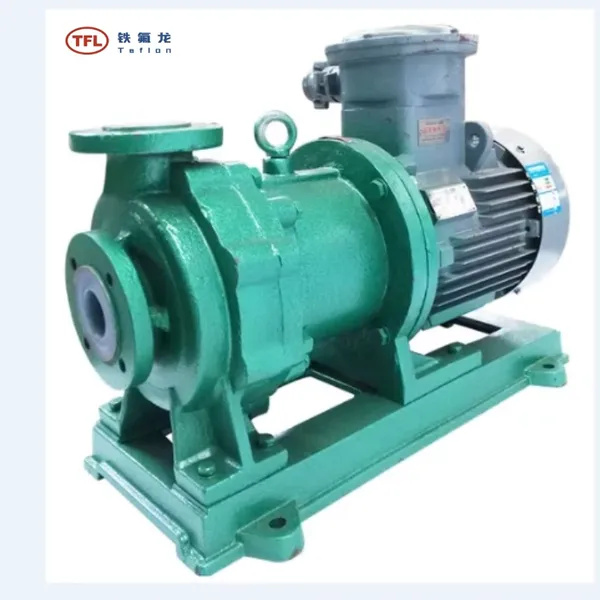
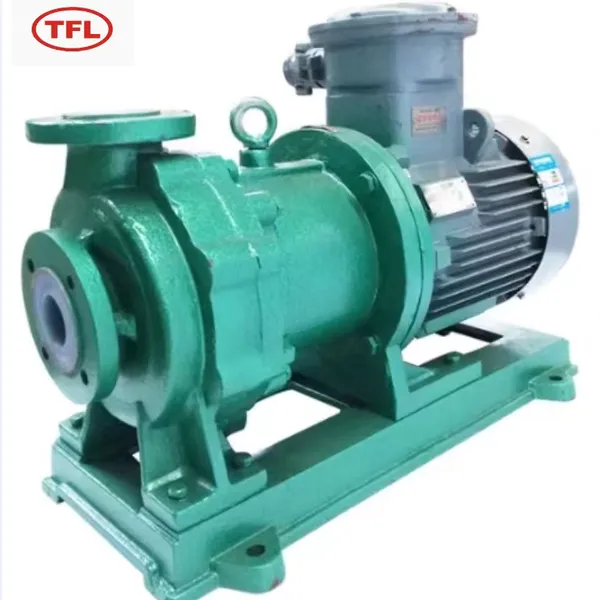
Low-speed fluorine plastic magnetic pumps are specialized equipment designed for the transportation of corrosive and hazardous fluids. Unlike traditional pumps that utilize mechanical seals, these pumps operate through magnetic coupling, allowing them to function efficiently without direct contact between the motor and the fluid being pumped. The low-speed aspect ensures that the fluids are handled gently, reducing the risk of cavitation and damage to sensitive liquids.
Fluorine plastic, often used in the construction of these pumps, offers excellent chemical resistance and durability, making it an ideal choice for industries dealing with aggressive substances. The combination of low operating speed and the robust properties of fluorine plastic results in a highly efficient and reliable pump solution.
How Does a Magnetic Pump Work?
Understanding how a magnetic pump operates is essential for anyone involved in industrial applications. The core principle revolves around the interaction between magnets. The pump's motor is equipped with a magnetic drive, which comprises an outer rotor and an inner rotor. The outer rotor is connected to the motor, while the inner rotor is linked to the impeller that moves the fluid.
When the motor is activated, the outer rotor spins, creating a magnetic field that induces motion in the inner rotor without any physical contact. This design eliminates the risk of leaks and allows for the handling of hazardous materials safely. The impeller ensures a smooth flow of liquid, making magnetic pumps particularly effective for low-speed operations where flow control is paramount.
Advantages of Using Fluorine Plastic in Pumps
Fluorine plastic offers several advantages in the fabrication of magnetic pumps:
1. Chemical Resistance
Fluorine plastic is highly resistant to a wide range of chemicals, including acids, bases, and solvents. This characteristic ensures that the pumps can be used in various industries without the risk of material degradation.
2. Temperature Tolerance
These materials can withstand extreme temperatures, making them suitable for fluid transfer in high-temperature environments.
3. Lightweight and Durable
Fluorine plastic is considerably lighter than metal counterparts, facilitating easier installation and maintenance while maintaining a high level of durability.
4. Non-reactive Properties
The non-reactive nature of fluorine plastic minimizes the risk of contamination, which is crucial when dealing with sensitive liquids in pharmaceutical or food processing industries.
5. Enhanced Safety
The design of magnetic pumps eliminates mechanical seals, reducing the likelihood of leaks and spills, thus enhancing workplace safety.
Applications of Low-Speed Fluorine Plastic Magnetic Pumps
Low-speed fluorine plastic magnetic pumps find applications across various industries due to their versatility and efficiency:
1. Chemical Processing
These pumps are ideal for transporting aggressive chemicals used in manufacturing processes.
2. Pharmaceutical Industry
In the pharmaceutical sector, the pumps ensure the safe handling of active ingredients and solvents without contamination.
3. Food and Beverage
The non-reactive properties of fluorine plastic make these pumps suitable for food processing applications, ensuring compliance with safety regulations.
4. Water Treatment
Low-speed magnetic pumps are employed in water treatment facilities for efficient fluid transfer of corrosive chemicals used in purification processes.
5. Semiconductor Manufacturing
The semiconductor industry relies on these pumps for transferring ultrapure chemicals critical in chip production.
Performance Characteristics of Low-Speed Magnetic Pumps
When evaluating the performance of low-speed fluorine plastic magnetic pumps, several key characteristics come into play:
1. Flow Rate Control
These pumps excel in applications requiring precise flow rate control, allowing operators to adjust the flow according to process requirements.
2. Quiet Operation
The magnetic coupling technology minimizes vibrations and noise, providing a quieter workspace compared to traditional pumps.
3. Energy Efficiency
Low-speed operation contributes to energy savings, making these pumps an eco-friendly choice for industrial applications.
4. Long Service Life
The absence of mechanical seals reduces wear and tear, resulting in extended operational lifespans for the pumps.
Maintenance and Reliability of Magnetic Pumps
Maintaining low-speed fluorine plastic magnetic pumps is essential for ensuring reliable operation. Regular upkeep includes:
1. Visual Inspections
Conducting routine visual inspections for leaks, wear, and damage is crucial for early detection of potential issues.
2. Cleaning
Maintaining cleanliness in and around the pump helps prevent contamination and ensures optimal performance.
3. Monitoring Performance
Monitoring flow rates and pressure can help identify any deviations that may signal a need for maintenance.
4. Scheduled Servicing
Implementing a scheduled maintenance program can significantly enhance the reliability and efficiency of the pumps over their operational lifespan.
Common Issues and Solutions
Despite their robust design, low-speed fluorine plastic magnetic pumps can encounter issues. Here are some common problems and their solutions:
1. Reduced Flow Rate
**Problem:** A decrease in flow rate may indicate a clog or obstruction.
**Solution:** Inspect the intake and discharge lines for blockages and clean as necessary.
2. Vibration and Noise
**Problem:** Excessive vibration or noise can arise from misalignment or wear.
**Solution:** Check for proper alignment and replace worn components.
3. Overheating
**Problem:** Overheating may occur due to inadequate cooling or excessive load.
**Solution:** Ensure proper cooling measures are in place and verify that the pump is not operating outside its specified limits.
4. Leakage
**Problem:** Leakage may indicate a failure in the magnetic coupling.
**Solution:** Inspect the coupling for wear and replace if necessary.
Future Trends in Pump Technology
As technology advances, the future of low-speed fluorine plastic magnetic pumps looks promising:
1. Automation and Smart Technology
The integration of IoT and smart technology will enable remote monitoring and control, enhancing efficiency and response times.
2. Improved Materials
Research into new materials may lead to even better chemical resistance and durability, expanding the applications of these pumps.
3. Energy Efficiency Innovations
Future designs may focus on optimizing energy efficiency further, contributing to sustainability goals in various industries.
4. Enhanced Safety Features
Developments in safety protocols and features will continue to enhance the reliability of magnetic pumps in hazardous environments.
Frequently Asked Questions
1. What makes low-speed fluorine plastic magnetic pumps different from traditional pumps?
Low-speed fluorine plastic magnetic pumps operate without mechanical seals, using magnetic coupling to eliminate leakage, making them ideal for handling corrosive fluids.
2. What industries benefit the most from using these pumps?
Industries such as chemical processing, pharmaceuticals, food and beverage, water treatment, and semiconductor manufacturing benefit significantly from their unique properties.
3. How can I maintain my magnetic pump?
Regular inspections, cleaning, monitoring performance, and scheduled servicing are essential for maintaining the functionality and reliability of magnetic pumps.
4. What should I do if my pump experiences reduced flow rate?
Inspect for clogs or obstructions in the intake and discharge lines and clear any blockages found.
5. Are low-speed fluorine plastic magnetic pumps energy-efficient?
Yes, their low-speed operation and advanced design contribute to significant energy savings, making them an eco-friendly choice for industrial applications.
Conclusion
Low-speed fluorine plastic magnetic pumps represent a significant advancement in pump technology, offering unparalleled performance and reliability in handling corrosive and hazardous fluids. Their unique design, characterized by magnetic coupling and the use of fluorine plastic, provides numerous advantages, including excellent chemical resistance, energy efficiency, and enhanced safety. As industries continue to evolve, understanding these pumps' functionality, applications, and maintenance strategies will remain crucial for optimizing operational efficiency and ensuring safe practices in fluid handling. By embracing the innovations and trends shaping the future of pump technology, businesses can continue to enhance their processes and contribute to sustainable industrial practices.
Recently Posted
-
Anti Corrosion Pipeline : Building Safer Fluid Handling Systems for Corrosive Media
September 18, 2026Anti Corrosion Pipeline: Building Safer Fluid Handling Systems for Corrosive MediaWhy Anti Corrosion Pipelines Matter in Industria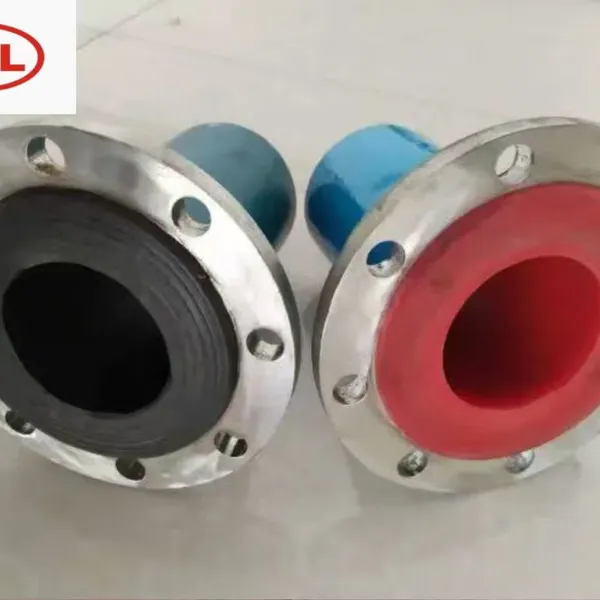 Read More
 -
Why Line a Butterfly Valve with PTFE?
September 15, 2026Why Line a Butterfly Valve with PTFE?Butterfly valves used with corrosive media must provide sufficientmechanical strength while l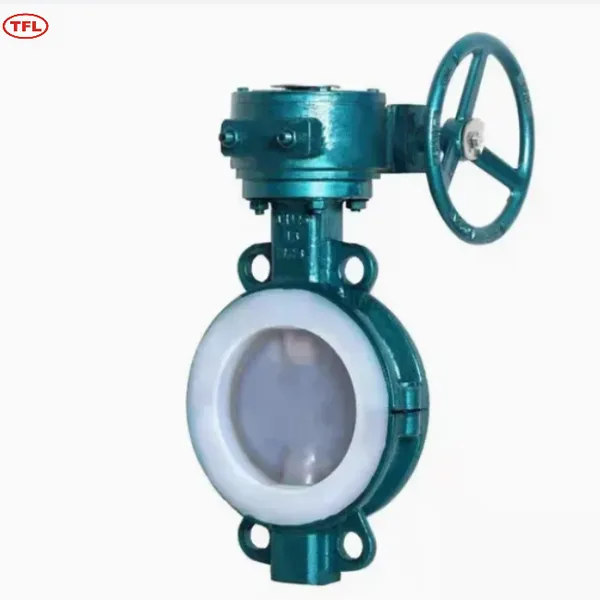 Read More
 -
Anti Corrosion Pipeline: Building Safer Fluid Handling Systems for Corrosive Media
September 9, 2026Why Anti Corrosion Pipelines Matter in Industrial Fluid Handling?In chemical processing and other industries involving corrosive m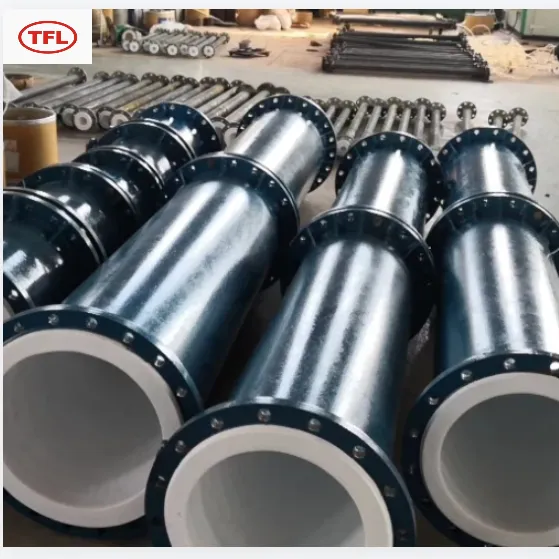 Read More
 -
Steel PTFE/PFA Lined Straight Pipes Corrosive Liquid Delivery Solution
September 3, 2026Steel PTFE/PFA Lined Straight Pipes Corrosive Liquid Delivery SolutionThe PTFE or PFA lined pipes spools and the PTFE elbows, tees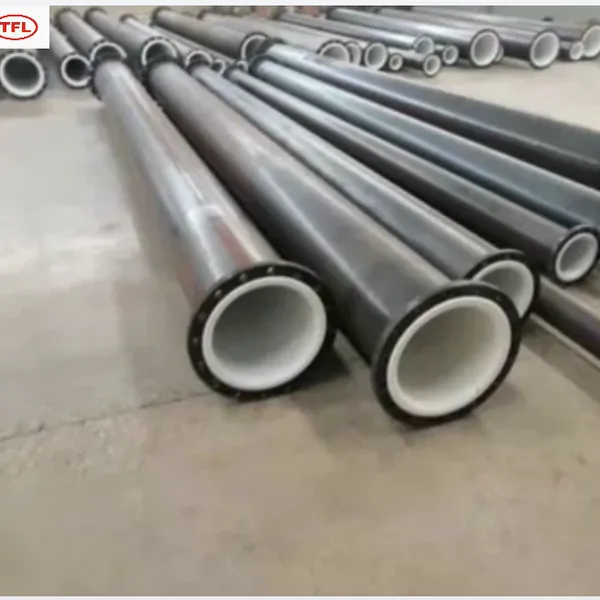 Read More

Contact Us
Recommended Products
-
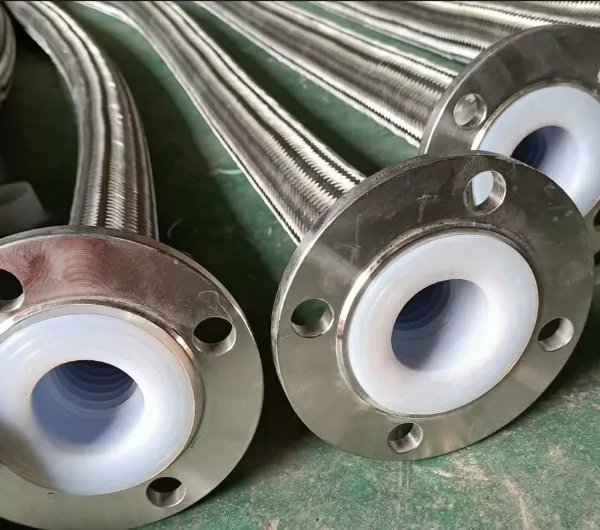
 PTFE Braided Flexible Metal Hose SteelNegotiableMOQ: 1 Piece
 -
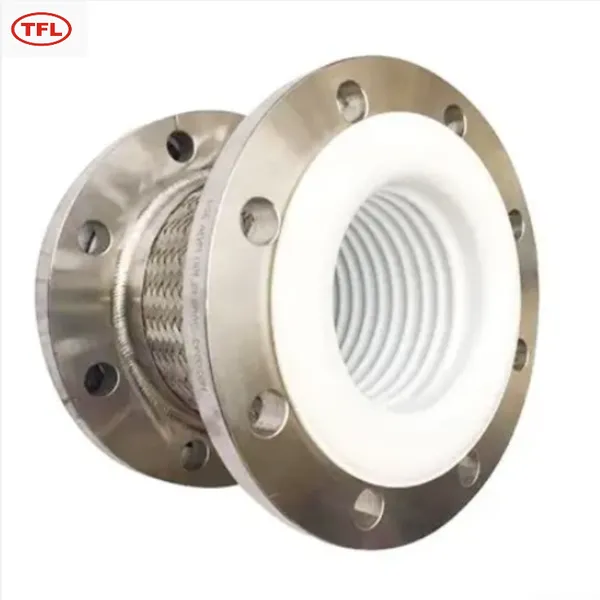
Metal Compensator Lined HoseNegotiableMOQ: 1 Piece
-
Fluorine Plastic (F46, PTFE, PFA Lining) Lined Chemical Process PumpNegotiableMOQ: 1 Piece
-
Liquid Wear Resistant PipelinesNegotiableMOQ: 1 Piece
-
Liquid Alkali-resistant PipelinesNegotiableMOQ: 1 Piece
-
Liquid Corrosion-resistant PipelinesNegotiableMOQ: 1 Piece
-
Fluorine Lined Flange Butterfly Valve With Signal Feedback, Butterfly ValveNegotiableMOQ: 1 Piece
-
Corrosion Resistant, Wear Resistant, PTFE Lined Steel Pipe Elbow Connector AdapterNegotiableMOQ: 1 Piece
-
Chemical Industrial-Grade Heavy Duty PTFE-Lined Steel PipesNegotiableMOQ: 1 Piece
-
PTFE Lined Pipe PTFE Tubing Steel Pipe LinerNegotiableMOQ: 1 Piece
-
PTFE Lined Spool Plastic Lined Spool PipeNegotiableMOQ: 1 Piece
-
Chemical Corrosion-Resistant PTFE Lined Steel Straight PipeNegotiableMOQ: 1 Piece
-
10L 20L 500L Liter Stainless Steel Chemical PTFE Lined Storage TankNegotiableMOQ: 1 Piece
-
3000L PTFE Lined ETFE Coated Tank / Glass Lined Storage TankNegotiableMOQ: 1 Piece
-
Chemical Container PTFE Lined Square Tank for Chemical Plant EquipmentNegotiableMOQ: 1 Piece
-
Anti Corrosion PTFE Lined ValveNegotiableMOQ: 1 Piece
-
Anti Corrosion PTFE Lined PumpNegotiableMOQ: 1 Piece
-
Lined PTFE Metal HoseNegotiableMOQ: 1 Piece
-
PTFE Lined Flexible Stainless Steel Metal Hose, Smooth/Corrugated Bore PTFE HoseNegotiableMOQ: 1 Piece
-
304 Stainless Steel Fluorine Lined Ball Valve, Stainless Steel Ball ValveNegotiableMOQ: 1 Piece