
 Business License
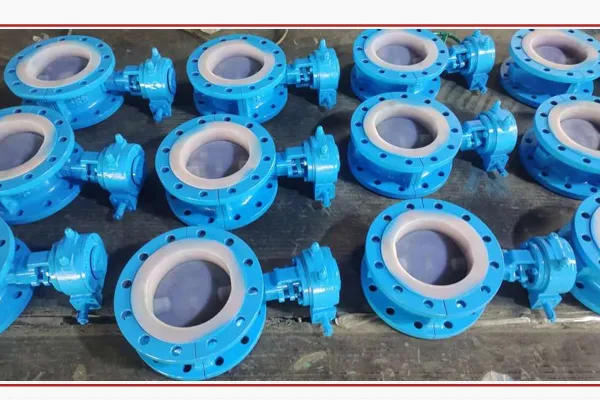
Anti Corrosion Valve: Reliable Flow Control for Aggressive Chemical Media
Why Anti Corrosion Valves Are Critical in Chemical Systems
Valves are among the most frequently operated components in an industrial piping system.
When acids, alkalis, solvents or other aggressive chemicals are involved, conventional valve materials may face corrosion, sealing problems and shortened service life.
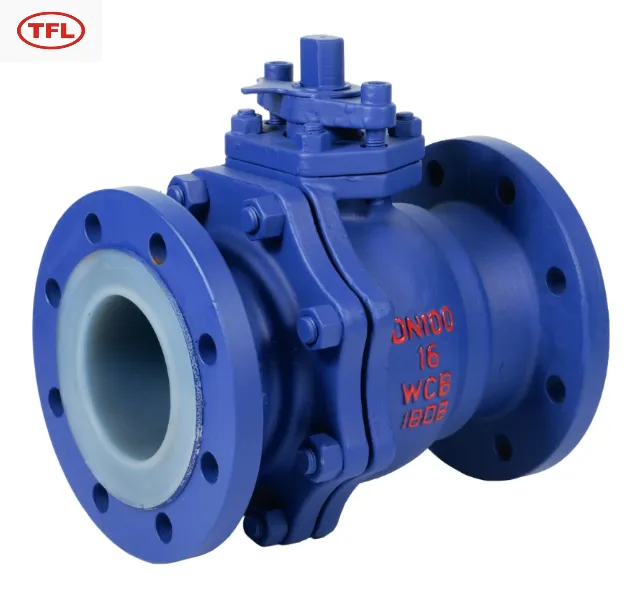
An anti corrosion valve is designed to provide reliable isolation, regulation or flow control while maintaining compatibility with corrosive media.
Valve Selection Starts With the Medium
Different industrial applications require different valve structures and materials.
Before selecting a corrosion-resistant valve, engineers should consider:
• Chemical type and concentration
• Operating temperature
• Pressure range
• Required flow capacity
• Valve function
• Connection standard
• Seal material
• Frequency of operation
Common applications may require corrosion-resistant ball valves, butterfly valves, diaphragm valves or other specialized valve designs.
Material Compatibility Is Essential
Corrosion resistance should not be evaluated only by looking at the valve body.
The lining, sealing components and internal parts that contact the medium also need to be compatible with the process conditions.
This is particularly important in chemical production lines where several corrosive substances may be processed within the same facility.
Part of a Complete Anti Corrosion System
A valve rarely works independently.
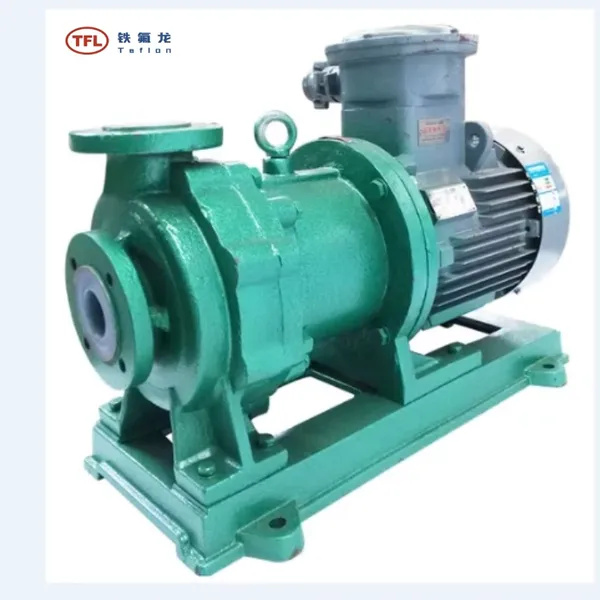
It is normally connected with anti corrosion pipelines, pumps, tanks and reactors. Compatibility between these components can influence pressure stability, leakage control and maintenance efficiency.
For new chemical projects or system upgrades, selecting corrosion-resistant valves as part of an integrated system can help reduce unnecessary coordination between multiple suppliers.
Typical Industries
Anti corrosion valves can be used in:
Chemical plants
Pharmaceutical production
Electronic chemical processing
Metal treatment
Water treatment
Acid and alkali handling
Industrial fluid transfer systems
Need help selecting an anti corrosion valve? Send us your medium, temperature, pressure, valve size and connection requirements for technical evaluation.
Recently Posted
-
Fluorine ptfe lined steel pipes and fittings ASME
September 30, 2026Fluorine ptfe lined steel pipes and fittings ASME With experience with paste-extruded since 1996.PTFE and more than 1000 refe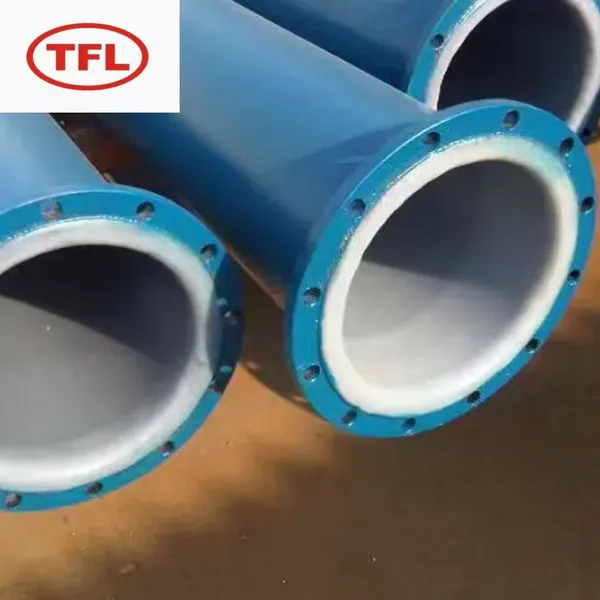 Read More
 -
No Vacuum, Yet the PTFE lined pipe steel line Collapsed. Why?
September 29, 2026No Vacuum, Yet the PTFE lined pipe steel line Collapsed. Why?It can still happen without system vacuum. Certain media may slowly p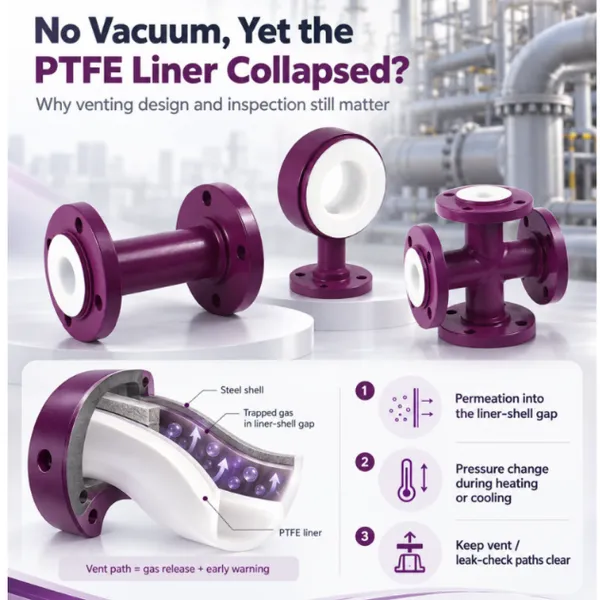 Read More
 -
Anti Corrosion Reactor: Designed for Demanding Chemical Processing Conditions
September 23, 2026Why Corrosion Resistance Matters in Chemical ReactorsReactors are at the center of many chemical production processes.Unlike simp Read More
 -
Anti Corrosion Pipeline : Building Safer Fluid Handling Systems for Corrosive Media
September 18, 2026Anti Corrosion Pipeline: Building Safer Fluid Handling Systems for Corrosive MediaWhy Anti Corrosion Pipelines Matter in Industria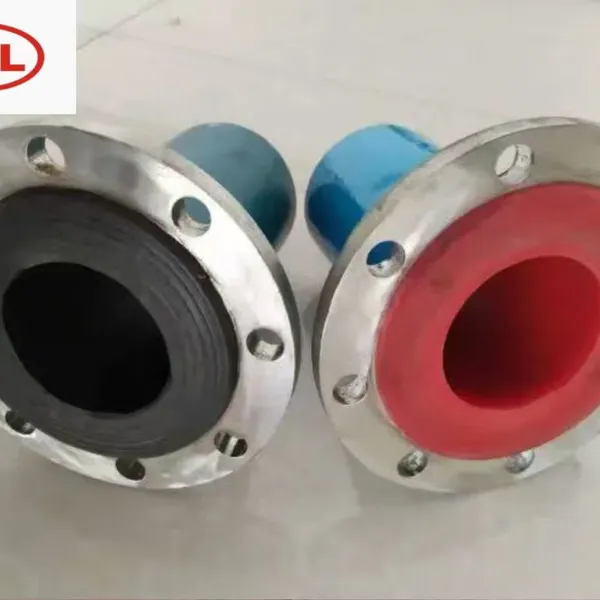 Read More

Contact Us
Recommended Products
-
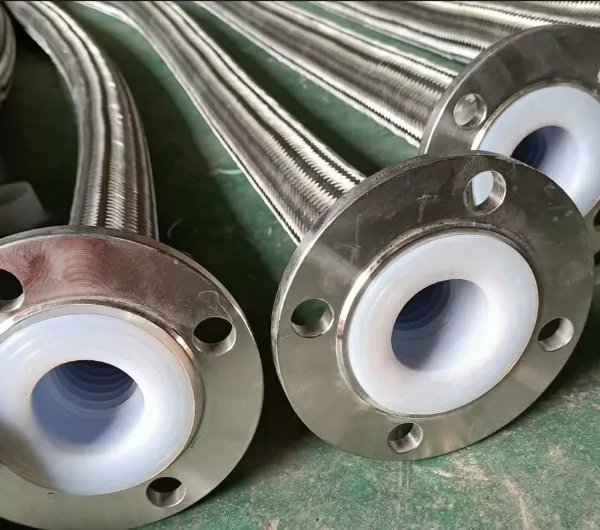
 PTFE Braided Flexible Metal Hose SteelNegotiableMOQ: 1 Piece
 -
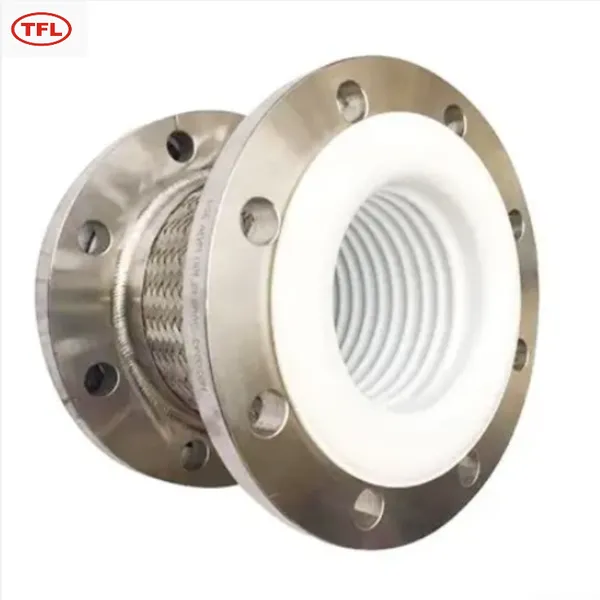
Metal Compensator Lined HoseNegotiableMOQ: 1 Piece
-
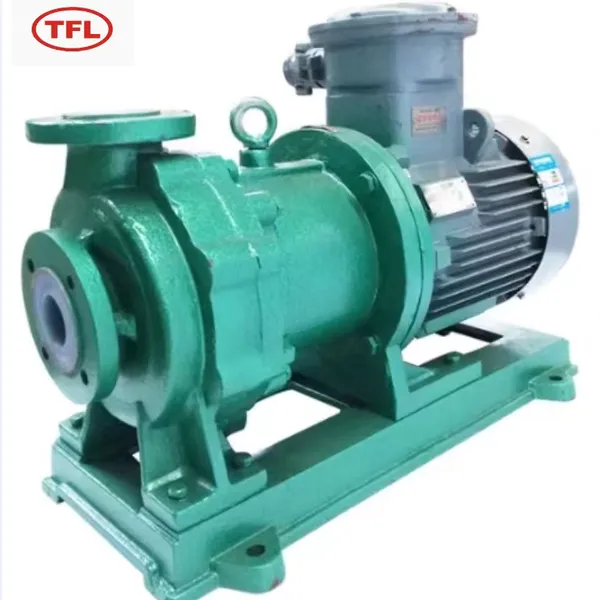
Fluorine Plastic (F46, PTFE, PFA Lining) Lined Chemical Process PumpNegotiableMOQ: 1 Piece
-
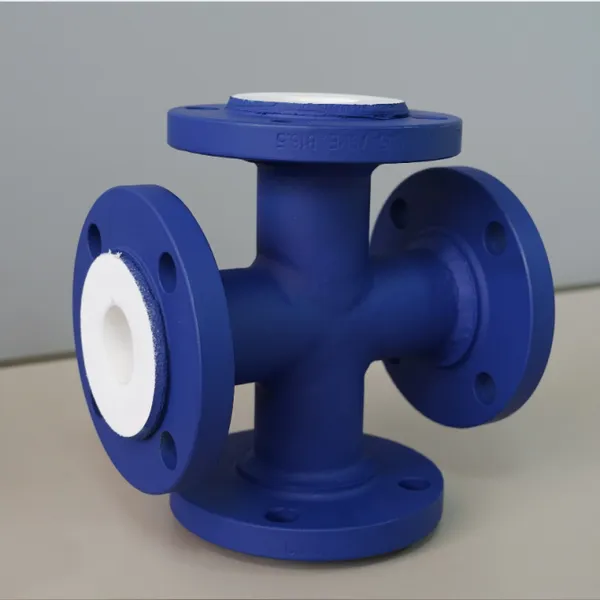
Liquid Wear Resistant PipelinesNegotiableMOQ: 1 Piece
-
Liquid Alkali-resistant PipelinesNegotiableMOQ: 1 Piece
-
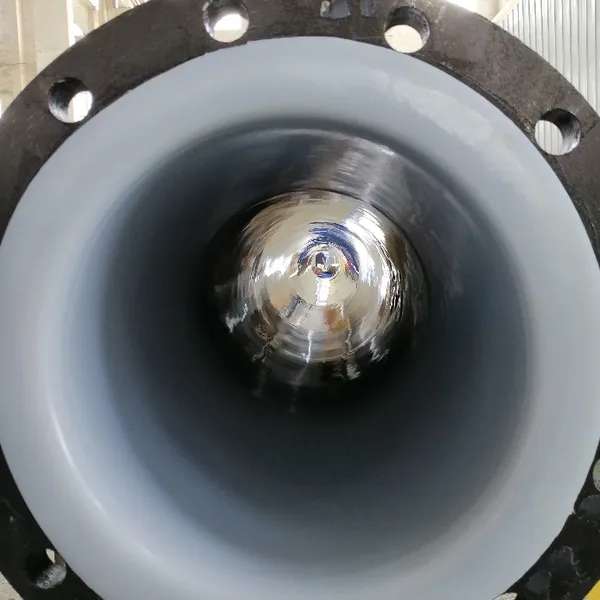
Liquid Corrosion-resistant PipelinesNegotiableMOQ: 1 Piece
-
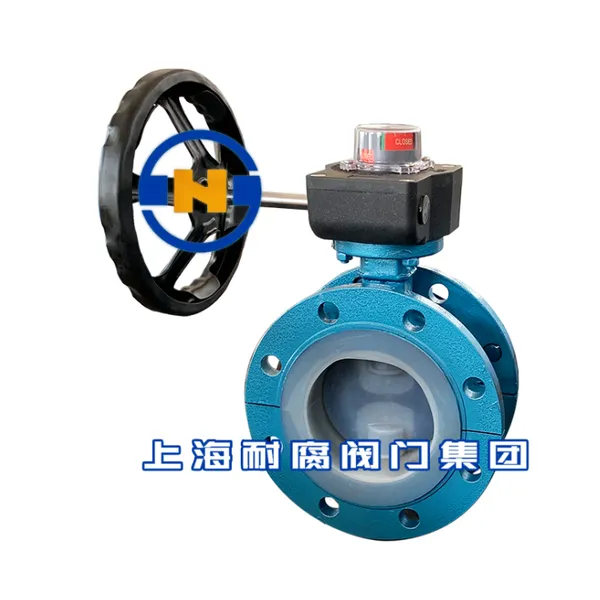
Fluorine Lined Flange Butterfly Valve With Signal Feedback, Butterfly ValveNegotiableMOQ: 1 Piece
-
Corrosion Resistant, Wear Resistant, PTFE Lined Steel Pipe Elbow Connector AdapterNegotiableMOQ: 1 Piece
-
Chemical Industrial-Grade Heavy Duty PTFE-Lined Steel PipesNegotiableMOQ: 1 Piece
-
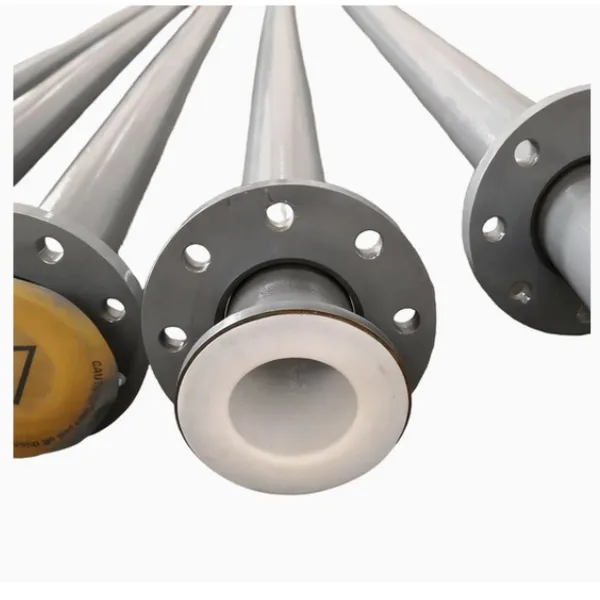
PTFE Lined Pipe PTFE Tubing Steel Pipe LinerNegotiableMOQ: 1 Piece
-
PTFE Lined Spool Plastic Lined Spool PipeNegotiableMOQ: 1 Piece
-
Chemical Corrosion-Resistant PTFE Lined Steel Straight PipeNegotiableMOQ: 1 Piece
-
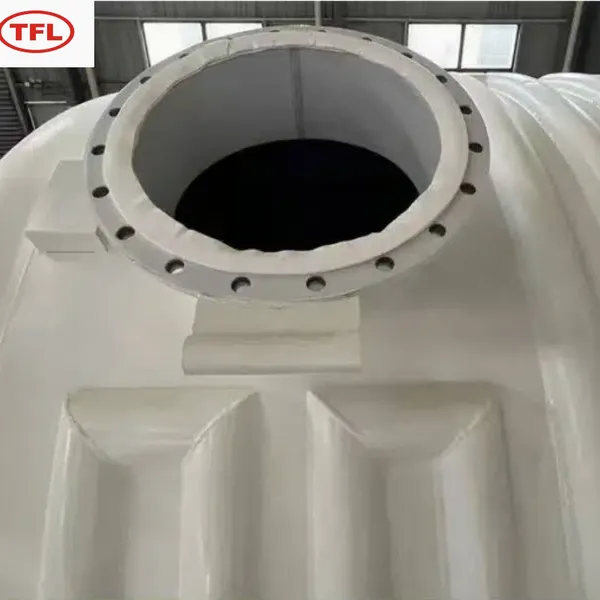
10L 20L 500L Liter Stainless Steel Chemical PTFE Lined Storage TankNegotiableMOQ: 1 Piece
-
3000L PTFE Lined ETFE Coated Tank / Glass Lined Storage TankNegotiableMOQ: 1 Piece
-
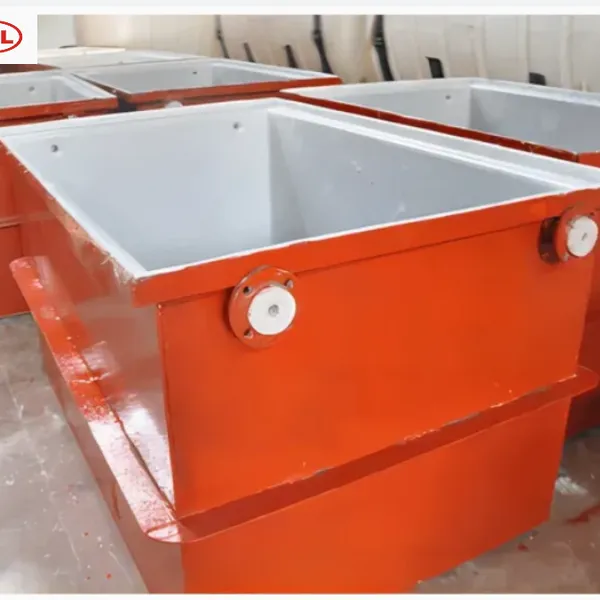
Chemical Container PTFE Lined Square Tank for Chemical Plant EquipmentNegotiableMOQ: 1 Piece
-
Anti Corrosion PTFE Lined ValveNegotiableMOQ: 1 Piece
-
Anti Corrosion PTFE Lined PumpNegotiableMOQ: 1 Piece
-
Lined PTFE Metal HoseNegotiableMOQ: 1 Piece
-
PTFE Lined Flexible Stainless Steel Metal Hose, Smooth/Corrugated Bore PTFE HoseNegotiableMOQ: 1 Piece
-
304 Stainless Steel Fluorine Lined Ball Valve, Stainless Steel Ball ValveNegotiableMOQ: 1 Piece