
 Business License
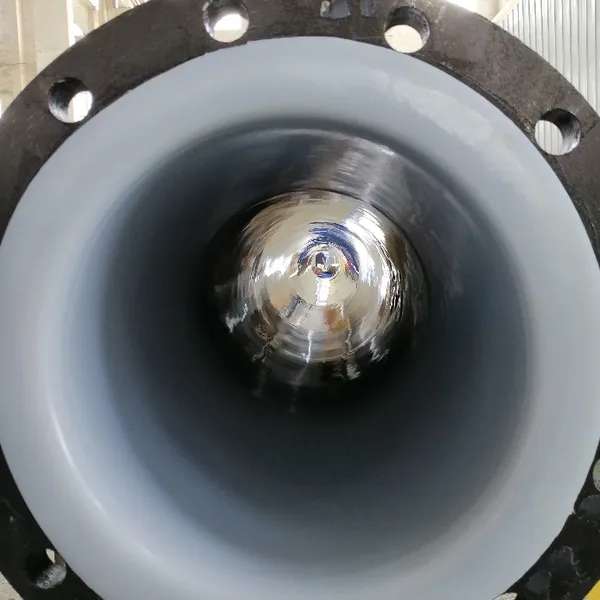
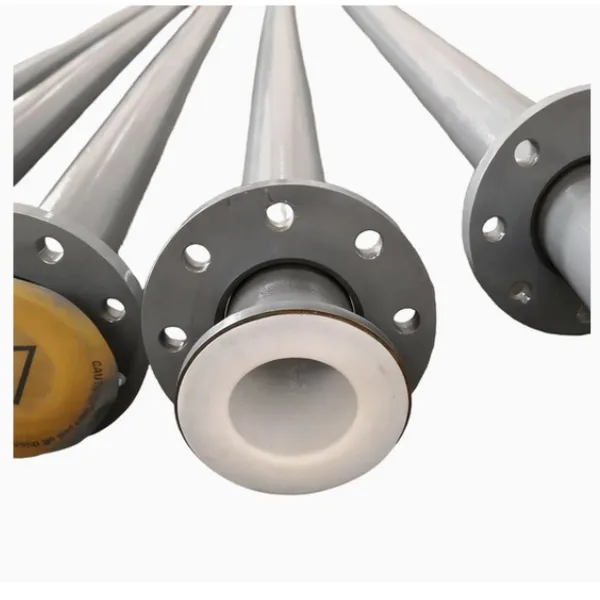
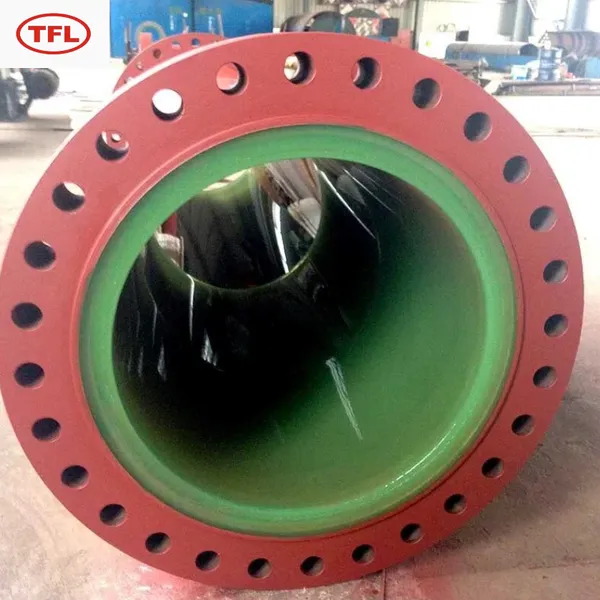
Fluorine ptfe lined steel pipes and fittings ASME
Fluorine ptfe lined steel pipes and fittings ASME
With experience with paste-extruded since 1996.
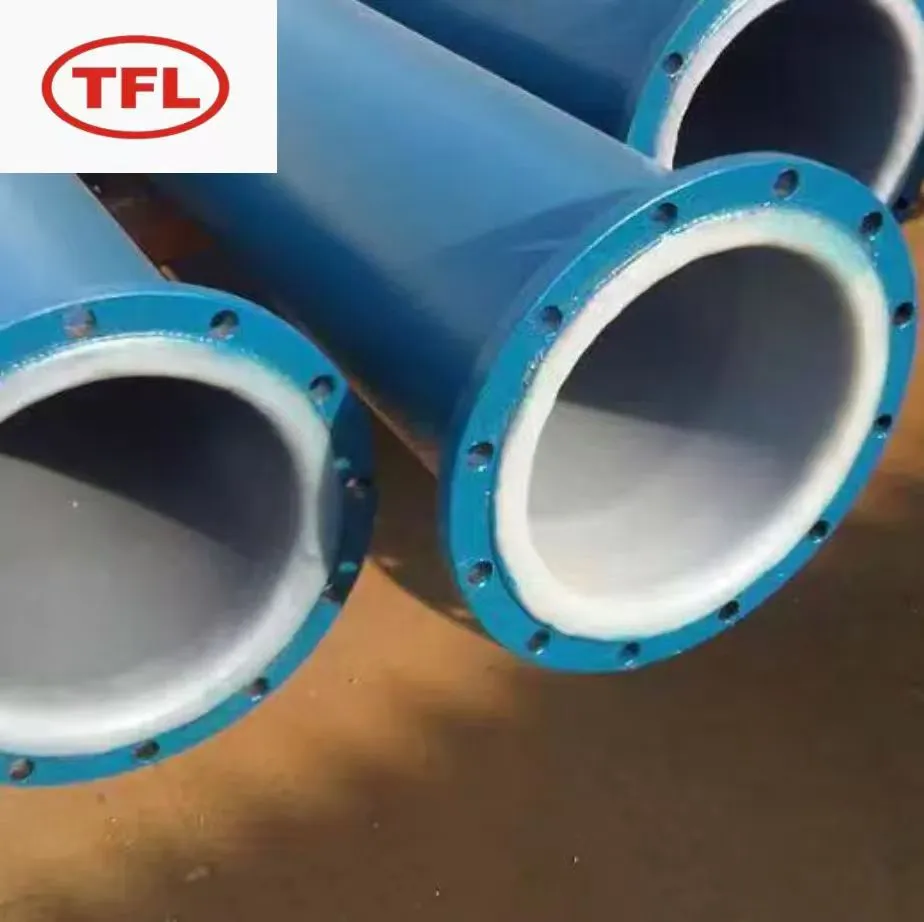
PTFE and more than 1000 reference customers, we supply acomprehensive range of fluorine lined piping systems,
mainly for the transport of corrosive media.
The following pages provide information on available products,dimensions and design options, as well as the materials usedand permitted operating conditions.
This brochure deals exclusively with pipes & fittings up to adiameter of DN 600. Larger dimensions up to DN 3000 forcolumns and vessels are covered by a separate brochure.whichis available on request.
We offer our lined piping products in two different linerthickness classes.
**Standard:
Corrosion resistant and permeation reducing lining foraggressive media processed at moderate pressures andtemperatures. This product series meets the standards ofthe chemical industry for paste extruded PTFE linings.
**Heavy duty:
Suitable for long term operation with highly permeable mediaprocessed at high pressures and temperatures.
From our many years experience, we recommend the use ofstandardized pipe lengths. These reduce inventory costs andallow greater flexibility in assembly.
Our product range includes pipes of the following dimensions:Nominal diameters: from 1 to 24 inch.
Lengths:
arger diameters available upon requestfrom 100 mm up to 6100 mm (20 ft.) depending on the nominal diameter.
PTFE is a paste-extruded PTFE material featuring exceptional thermal, chemical, mechanical, and electrical properties.
Outstanding Properties:
· Virtually universal chemical resistance and insolubility
· Low-temperature resistance down to -79°C
· High operating temperatures up to 260°C/500°F
· High flexural fatigue resistance; virtually no material fatigue
· Resistant to aging caused by heat or UV radiation
· Excellent electrical insulation properties
· Very high purity (free from migrating additives or monomers; non-toxic)
· Non-stick surface, low coefficient of friction/wear, self-cleaning
· Excellent dimensional stability—non-absorbent, no swelling
· Non-flammable
Field of use.
Pressure load:
1to 6 inch - up to 40 bar [PN 40 )
8 to 24 inch - up to 25 bar (PN 25 )
Vacuum:
Full vacuum (-1 barg) for all dimensions up to 4 inch and 150°C. Vacuum-resistant versions for larger dimensions and higher temperatu-resistent on request .
Lining:
Virginal paste-extruded PTFE meeting DIN 2874.
Temperatures:
-10°upto +230°C;
lower service temperatures can be accommodated with the use of special steel materials.
Options
Antistatic [electrically conductive] liner
Stainless steel and low temperature steel
Venting nozzles·
Custom shapes
Grounding bolts and connections
Special paint coatings
Stainless steel materials are available on request.
Pipes/Fittings:
Material code
A106 Gr. B
API5LGr. B
A234 WPB
DIN EN 10213-2
Subject to technical changes.
Flanges
Material code
A105[C21)
A570 Gr.36
A515 Gr. 55
Subject to technical changes.
The standards given below are ASME standards. If you requirepipes and fittings according to DIN standards, please refer to our respective EN/DIN brochure.
Recently Posted
-
No Vacuum, Yet the PTFE lined pipe steel line Collapsed. Why?
September 29, 2026No Vacuum, Yet the PTFE lined pipe steel line Collapsed. Why?It can still happen without system vacuum. Certain media may slowly p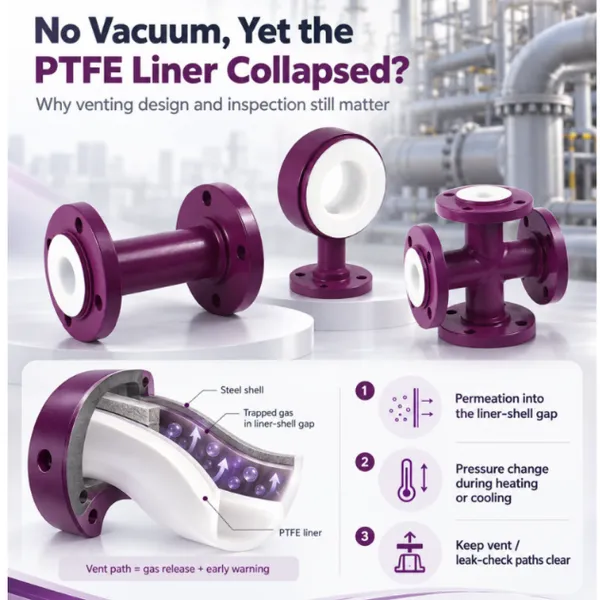 Read More
 -
Anti Corrosion Valve: Reliable Flow Control for Aggressive Chemical Media
September 27, 2026Why Anti Corrosion Valves Are Critical in Chemical SystemsValves are among the most frequently operated components in an industria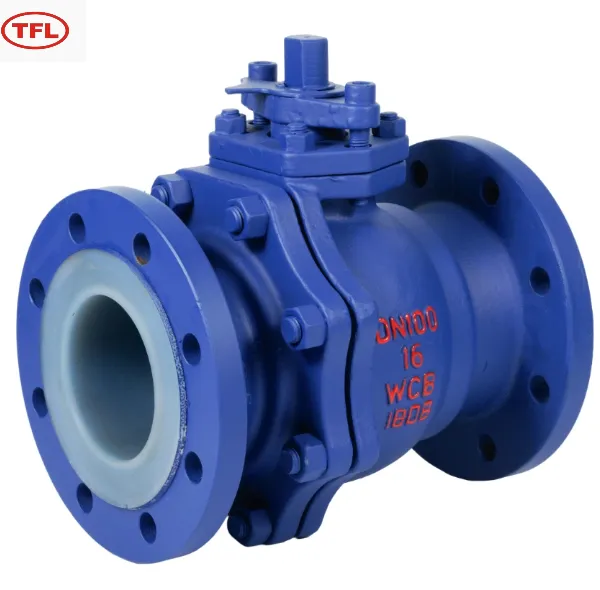 Read More
 -
Anti Corrosion Reactor: Designed for Demanding Chemical Processing Conditions
September 23, 2026Why Corrosion Resistance Matters in Chemical ReactorsReactors are at the center of many chemical production processes.Unlike simp Read More
 -
Anti Corrosion Pipeline : Building Safer Fluid Handling Systems for Corrosive Media
September 18, 2026Anti Corrosion Pipeline: Building Safer Fluid Handling Systems for Corrosive MediaWhy Anti Corrosion Pipelines Matter in Industria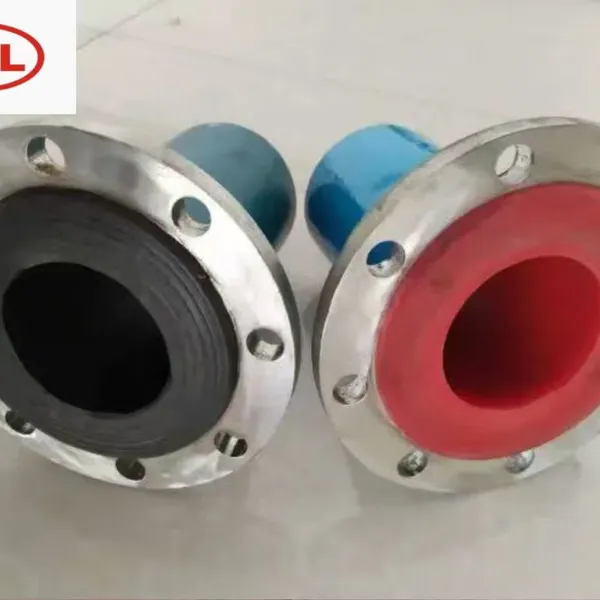 Read More

Contact Us
Recommended Products
-
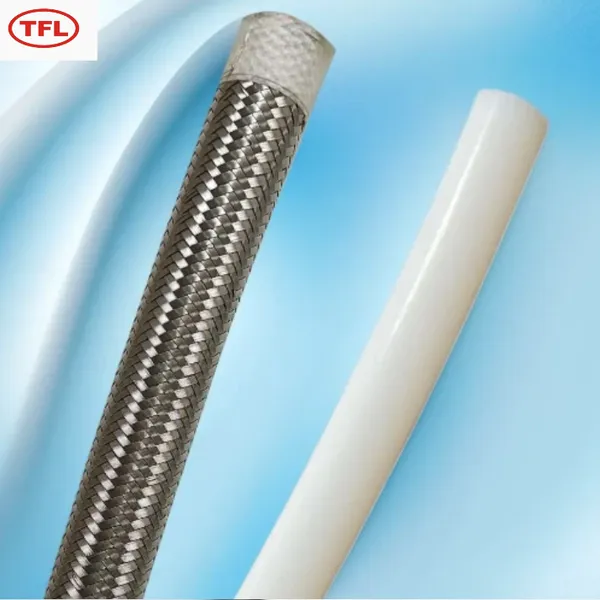
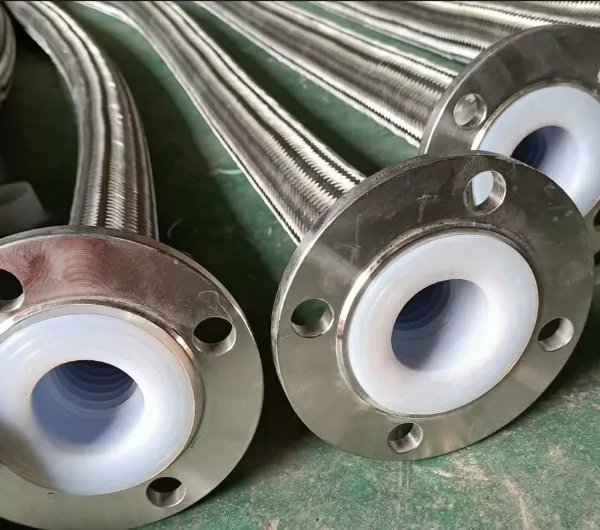
 PTFE Braided Flexible Metal Hose SteelNegotiableMOQ: 1 Piece
 -
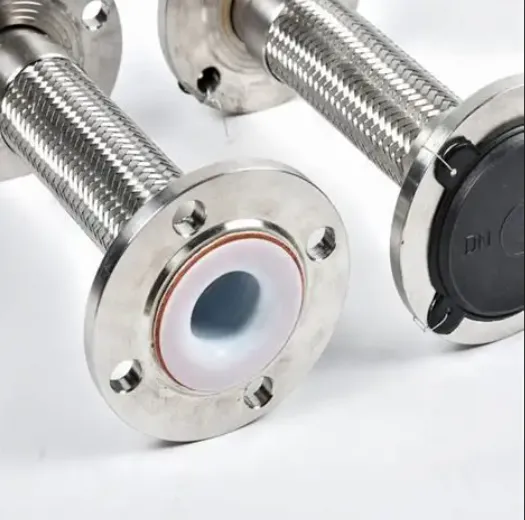
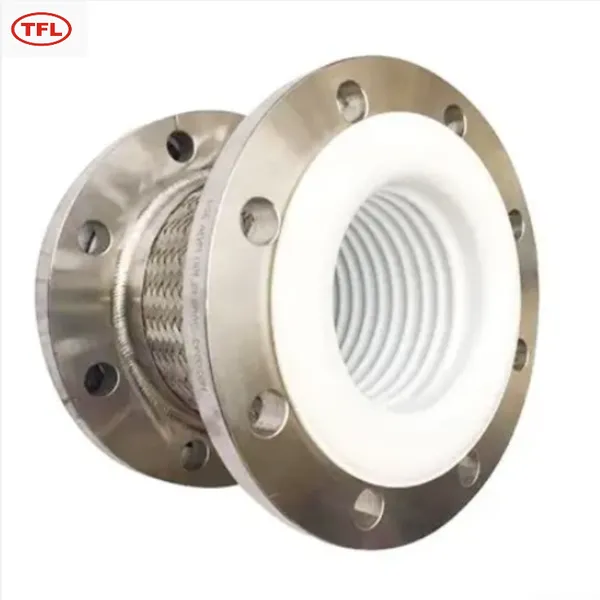
Metal Compensator Lined HoseNegotiableMOQ: 1 Piece
-
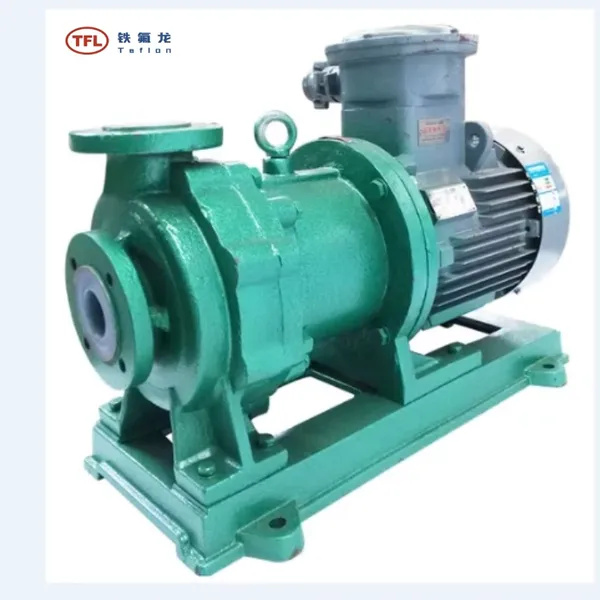
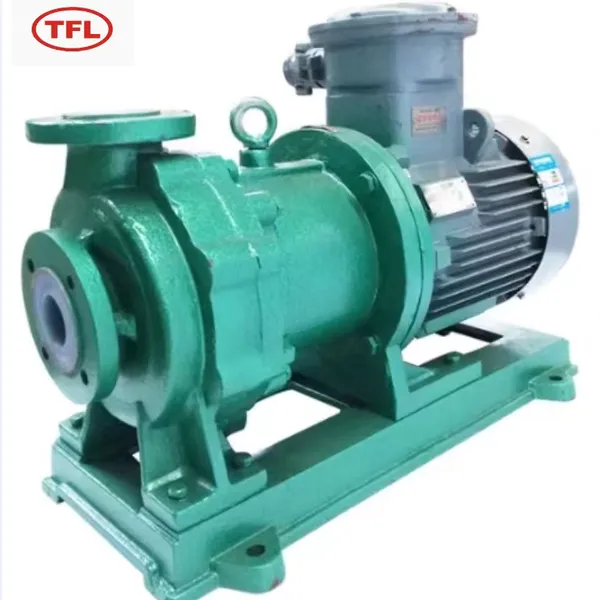
Fluorine Plastic (F46, PTFE, PFA Lining) Lined Chemical Process PumpNegotiableMOQ: 1 Piece
-
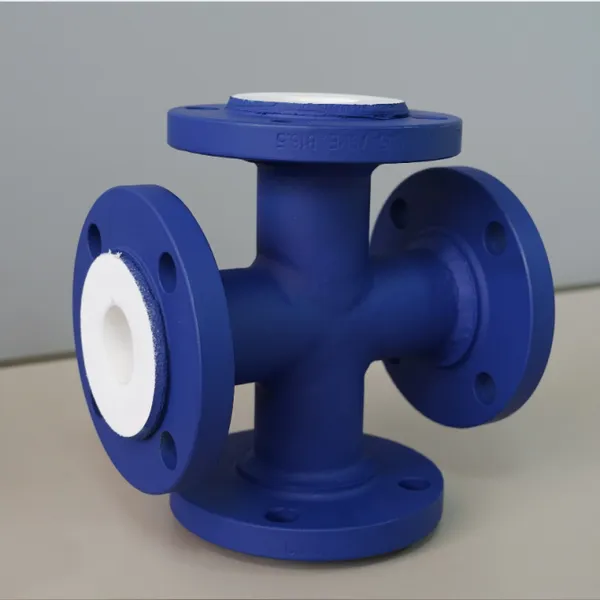
Liquid Wear Resistant PipelinesNegotiableMOQ: 1 Piece
-
Liquid Alkali-resistant PipelinesNegotiableMOQ: 1 Piece
-
Liquid Corrosion-resistant PipelinesNegotiableMOQ: 1 Piece
-
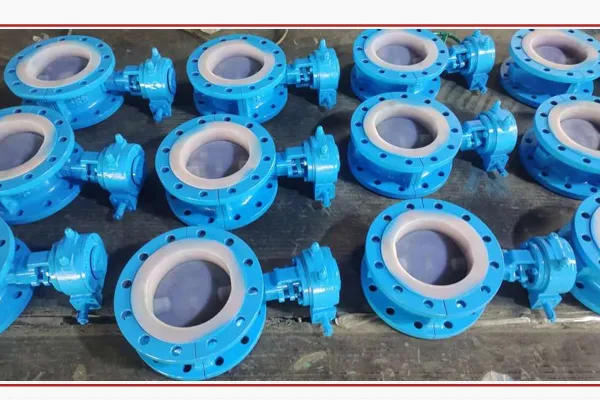
Fluorine Lined Flange Butterfly Valve With Signal Feedback, Butterfly ValveNegotiableMOQ: 1 Piece
-
Corrosion Resistant, Wear Resistant, PTFE Lined Steel Pipe Elbow Connector AdapterNegotiableMOQ: 1 Piece
-
Chemical Industrial-Grade Heavy Duty PTFE-Lined Steel PipesNegotiableMOQ: 1 Piece
-
PTFE Lined Pipe PTFE Tubing Steel Pipe LinerNegotiableMOQ: 1 Piece
-
PTFE Lined Spool Plastic Lined Spool PipeNegotiableMOQ: 1 Piece
-
Chemical Corrosion-Resistant PTFE Lined Steel Straight PipeNegotiableMOQ: 1 Piece
-
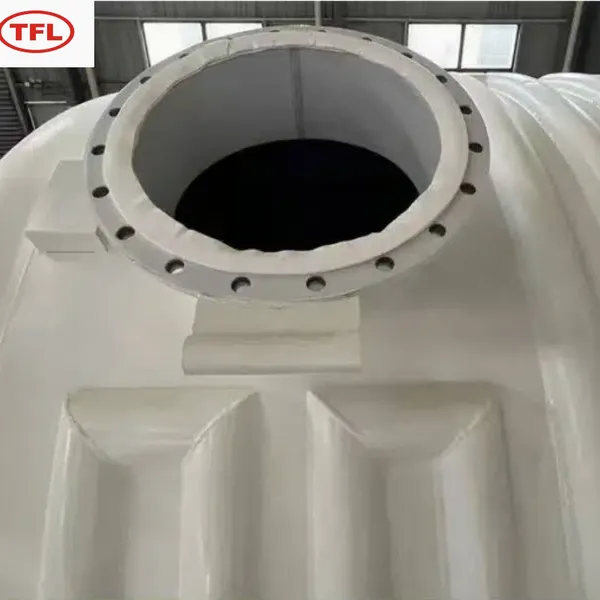
10L 20L 500L Liter Stainless Steel Chemical PTFE Lined Storage TankNegotiableMOQ: 1 Piece
-
3000L PTFE Lined ETFE Coated Tank / Glass Lined Storage TankNegotiableMOQ: 1 Piece
-
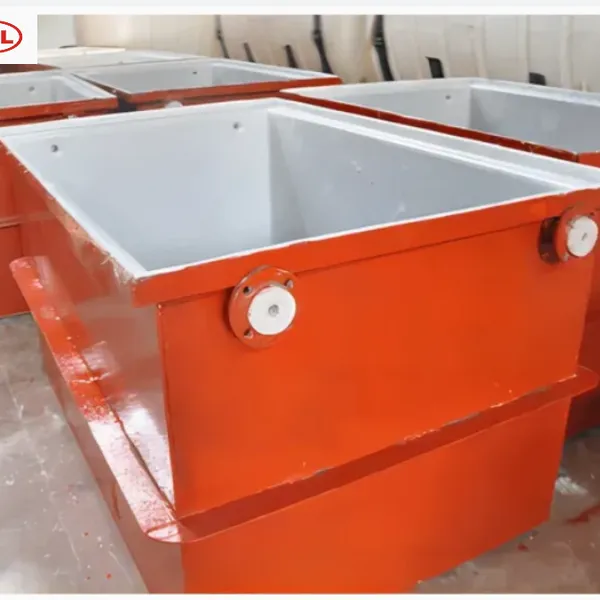
Chemical Container PTFE Lined Square Tank for Chemical Plant EquipmentNegotiableMOQ: 1 Piece
-
Anti Corrosion PTFE Lined ValveNegotiableMOQ: 1 Piece
-
Anti Corrosion PTFE Lined PumpNegotiableMOQ: 1 Piece
-
Lined PTFE Metal HoseNegotiableMOQ: 1 Piece
-
PTFE Lined Flexible Stainless Steel Metal Hose, Smooth/Corrugated Bore PTFE HoseNegotiableMOQ: 1 Piece
-
304 Stainless Steel Fluorine Lined Ball Valve, Stainless Steel Ball ValveNegotiableMOQ: 1 Piece