
 Business License
How to Choose a China EPCC Company for Chemical Industry Anti-Corrosion Design
How to Choose a China EPCC Company for Chemical Industry Anti-Corrosion Design
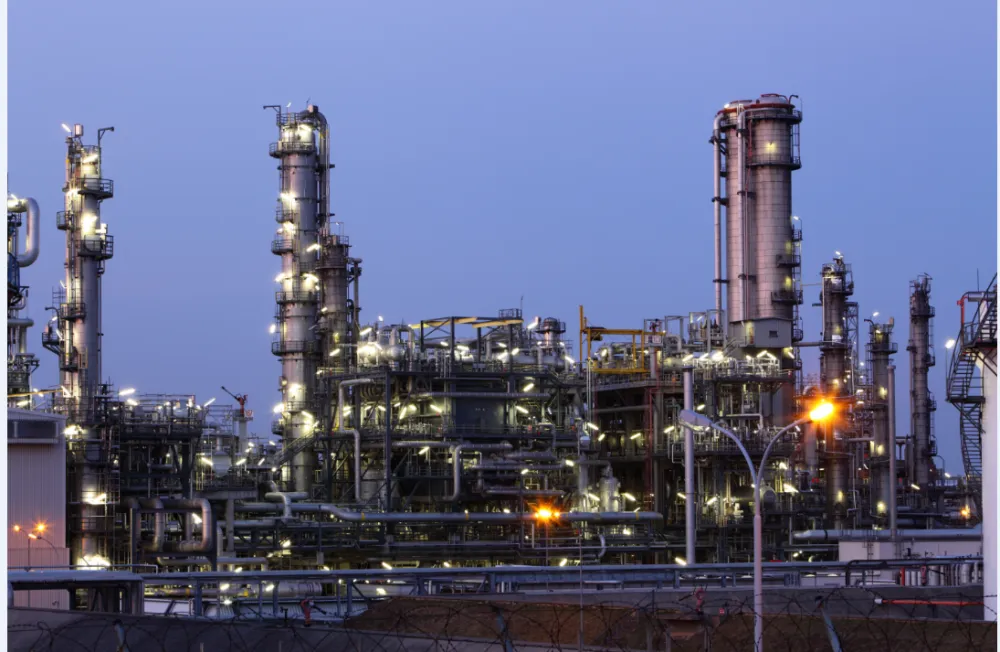
In the chemical industry, corrosion is not merely a maintenance issue; it is a critical safety and economic challenge. With China’s rapid advancement in industrial infrastructure, selecting the right Engineering, Procurement, Construction, and Commissioning (EPCC) partner for anti-corrosion design is vital for ensuring facility longevity, operational safety, and regulatory compliance.
Here is a comprehensive guide on how to evaluate and select a top-tier Chinese EPCC company for your chemical anti-corrosion projects.
1. Verify Qualifications and Industry Certifications
The foundation of any reliable partnership is valid certification. In China, the anti-corrosion industry is regulated by strict standards.
National Credentials: Ensure the company holds the "Grade I Qualification for Industrial Anti-Corrosion Construction" issued by relevant Chinese authorities. This is a baseline requirement for handling complex chemical environments.
Association Membership: Look for members of the China Industry Anticorrosion Technology Association (CIATA). CIATA is a national association ratified by the State Council, focusing on petroleum and chemical industries. Membership often indicates adherence to higher technical and ethical standards.
ISO Standards: Check for compliance with international standards such as ISO 23123:2020 (General requirements for corrosion control engineering life cycle), which China is actively integrating into its national mandatory standards.
2. Assess Technical Expertise and Material Innovation
Anti-corrosion technology has evolved from simple coating applications to sophisticated, lifecycle-based solutions.
Material Compatibility: The EPCC provider must demonstrate expertise in matching materials to specific chemical media (acids, alkalis, salts, high temperatures). Ask about their experience with advanced materials like solvent-free polyurea, epoxy resins, and other green, low-VOC coatings that meet current environmental regulations.
R&D Capability: Leading companies invest in research centers. A strong R&D team can offer customized solutions rather than generic, one-size-fits-all approaches. This is crucial for specialized sectors like pharmaceuticals or nuclear power where safety margins are narrow.
Holistic Design: The best partners offer "Total Corrosion Control," integrating design, material selection, construction, and intelligent monitoring systems to predict and prevent failure before it occurs.
3. Evaluate Project Track Record and Case Studies
Experience in similar environments is the best predictor of future performance.
Relevant Industry Experience: Request case studies specifically from the chemical, petrochemical, or energy sectors. Look for projects involving storage tanks, pipelines, or structures exposed to harsh corrosive media.
Scale and Complexity: Prefer companies that have successfully delivered large-scale infrastructure projects. These firms typically possess better resource allocation capabilities and rigorous project management protocols.
Longevity Data: Ask for data on the service life of their previous installations. A reputable company will provide evidence of long-term performance, not just initial application success.
4. Prioritize Safety, Environmental Compliance, and Quality Assurance
China’s regulatory landscape regarding safety and environmental protection has tightened significantly.
HSE Standards: The EPCC company must have robust Health, Safety, and Environment (HSE) management systems. Verify their safety records and ensure their construction processes minimize risks during application.
Environmental Compliance: Ensure their materials and methods comply with China’s strict VOC emission limits and green manufacturing guidelines. This is increasingly important for multinational corporations aiming to meet global sustainability goals.
Quality Control: Look for companies that implement strict quality control at every stage, from surface preparation to final inspection. Adherence to national standards like GB/T 23257-2017 for pipeline coatings is a good indicator of quality discipline.
5. Consider After-Sales Service and Lifecycle Support
Corrosion control does not end at project completion.
Warranty Terms: A confident provider will offer a warranty period of at least 3–5 years, depending on the scope. Be wary of companies offering unusually short warranties.
Maintenance and Monitoring: Choose a partner that offers post-commissioning support, including regular inspections, touch-up services, and intelligent corrosion monitoring solutions. This proactive approach reduces long-term operational costs and prevents unexpected downtime.
Conclusion
Selecting a Chinese EPCC company for chemical industry anti-corrosion design requires a due diligence process that goes beyond price comparison. By focusing on verified qualifications, technical innovation, proven track records, and comprehensive lifecycle support, you can secure a partner who ensures the safety, efficiency, and sustainability of your chemical facilities. In an era where corrosion control is synonymous with asset integrity, choosing the right expert is an investment in your operation’s future.
Recently Posted
-
How to Choose a Reliable PTFE Lined Steel Pipe Manufacturer in China: A Comprehensive Guide
October 15, 2026How to Choose a Reliable PTFE Lined Steel Pipe Manufacturer in China: A Comprehensive GuidePolytetrafluoroethylene (PTFE) lined st Read More
-
How to choose the material of corrosion-resistant lining ? PTFE (F4) / FEP (F46) / ETFE (F40) / PFA / PO (PE) Anticorrosion Meterial Performance Table
October 13, 2026How to choose the material of corrosion-resistant lining ? PTFE (F4) / FEP (F46) / ETFE (F40) / PFA / PO (PE) Anticorrosion Meteri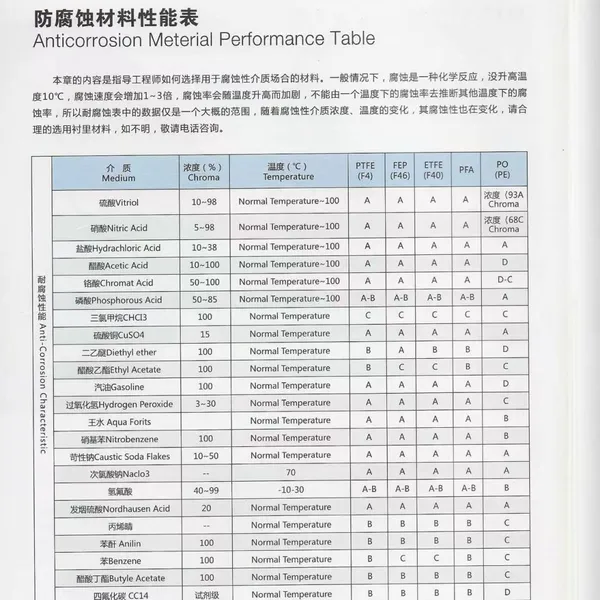 Read More
-
hot sales products of Shanghai Teflon Anticorrosive Equipment Co., Ltd.
October 13, 2026hot sales products of Shanghai Teflon Anticorrosive Equipment Co., Ltd. Ptfe-Lined PipesPtfe-Lined va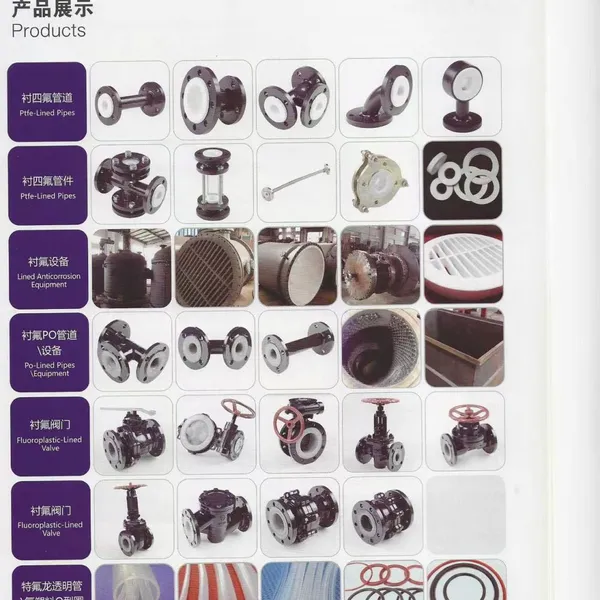 Read More
-
Navigating the Complexities of Chemical Engineering: The Power of EPCC Integration
October 10, 2026Navigating the Complexities of Chemical Engineering: The Power of EPCC IntegrationIn the modern industrial landscape, delivering a Read More

Contact Us
Recommended Products
-
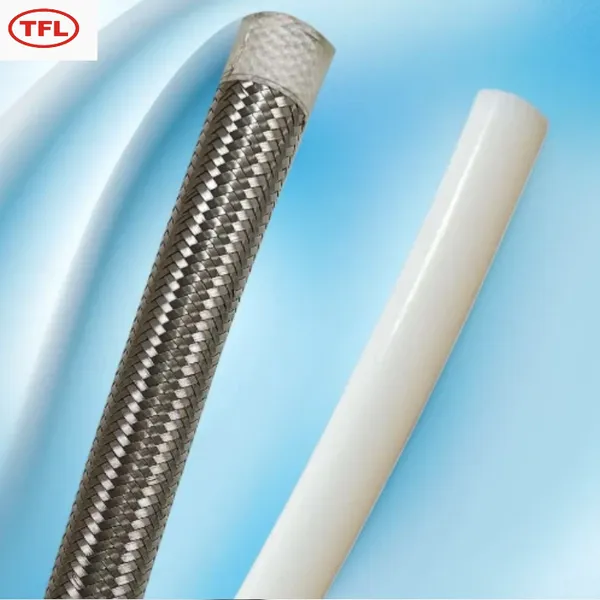
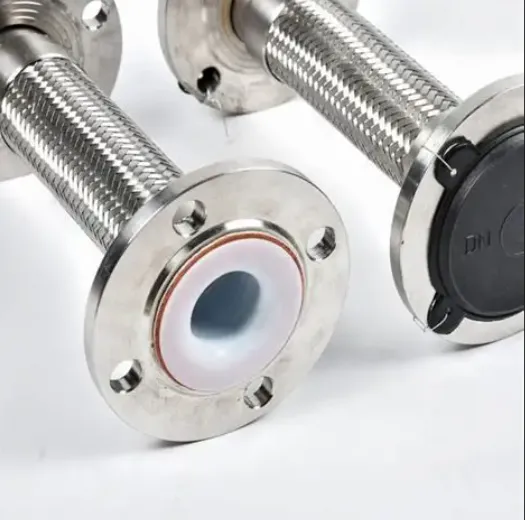
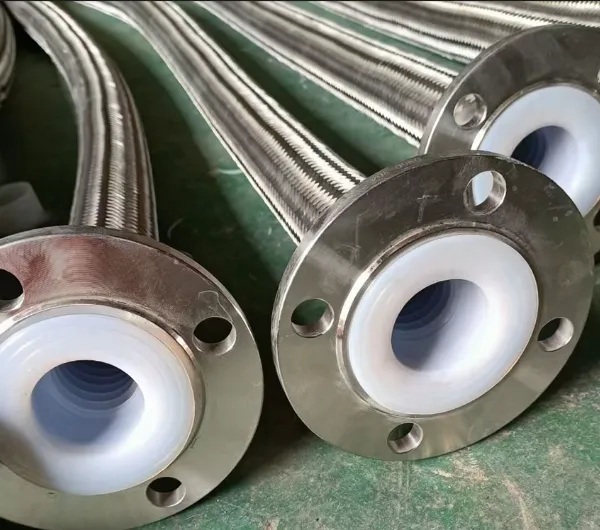
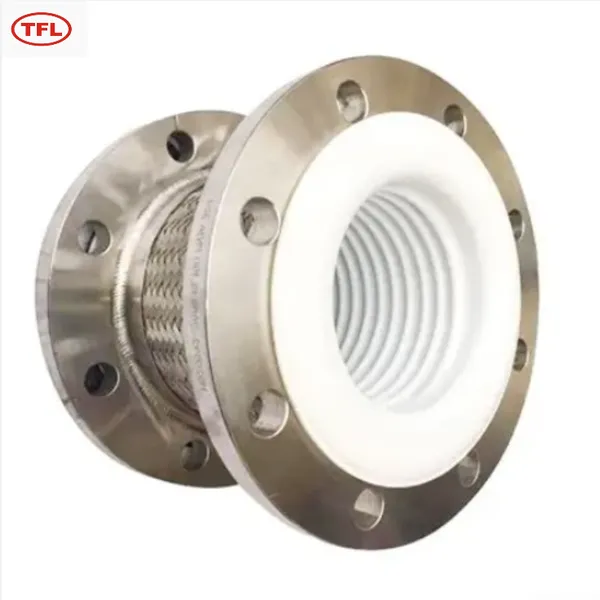
 PTFE Braided Flexible Metal Hose SteelNegotiableMOQ: 1 Piece
-
Metal Compensator Lined HoseNegotiableMOQ: 1 Piece
-
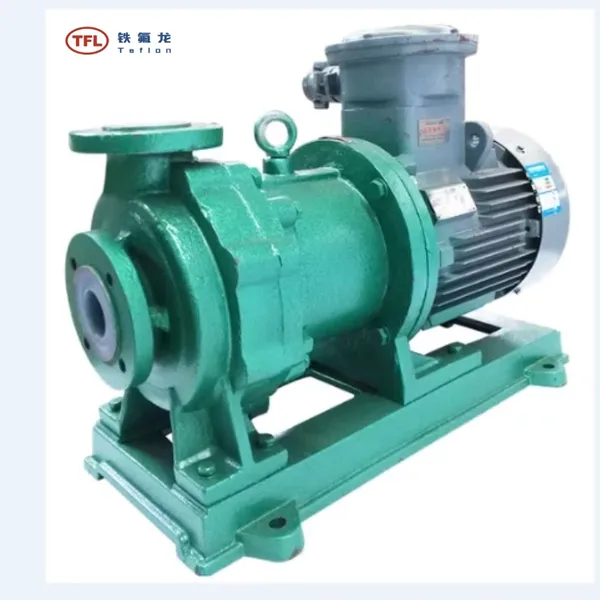
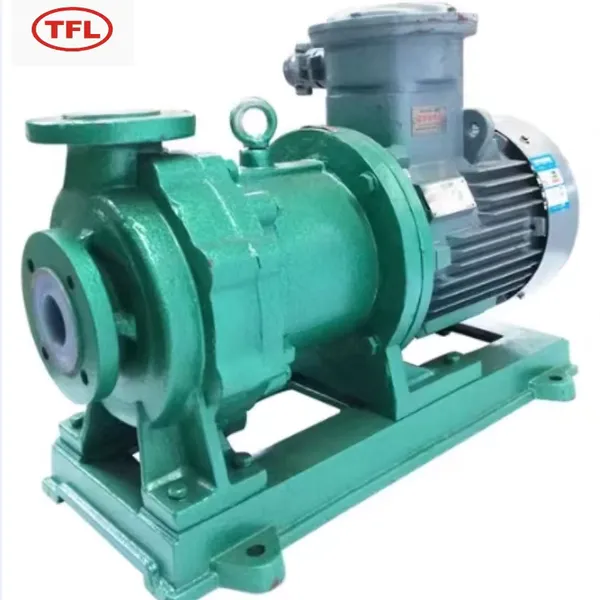
Fluorine Plastic (F46, PTFE, PFA Lining) Lined Chemical Process PumpNegotiableMOQ: 1 Piece
-
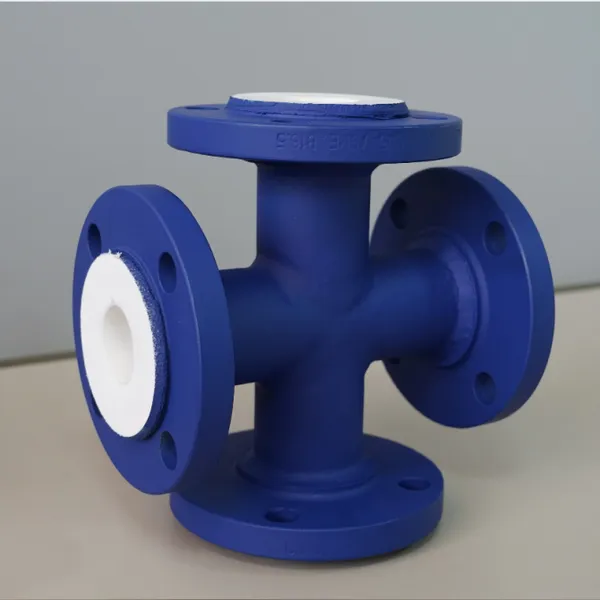
Liquid Wear Resistant PipelinesNegotiableMOQ: 1 Piece
-
Liquid Alkali-resistant PipelinesNegotiableMOQ: 1 Piece
-
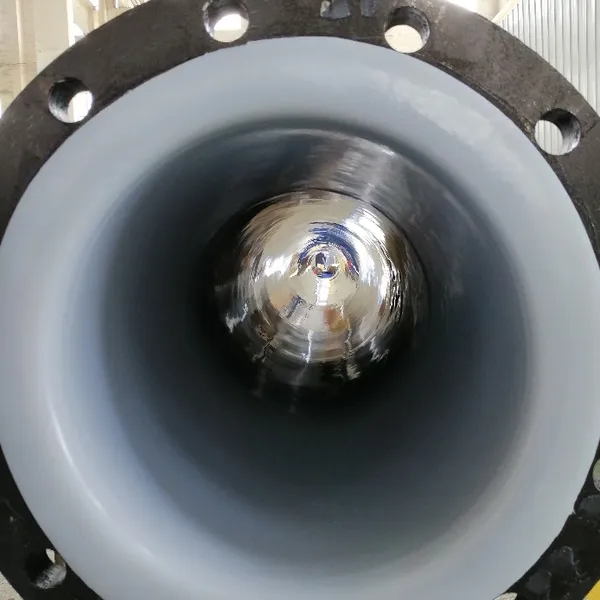
Liquid Corrosion-resistant PipelinesNegotiableMOQ: 1 Piece
-
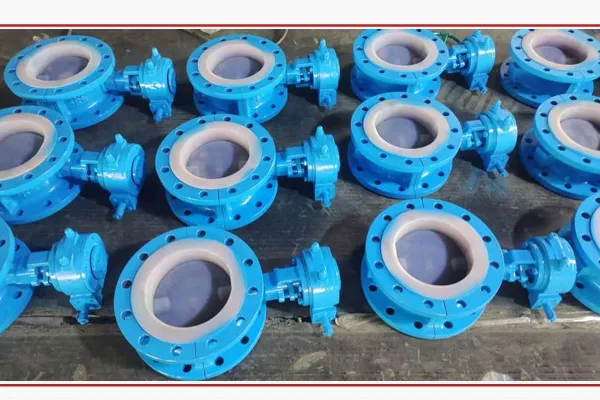
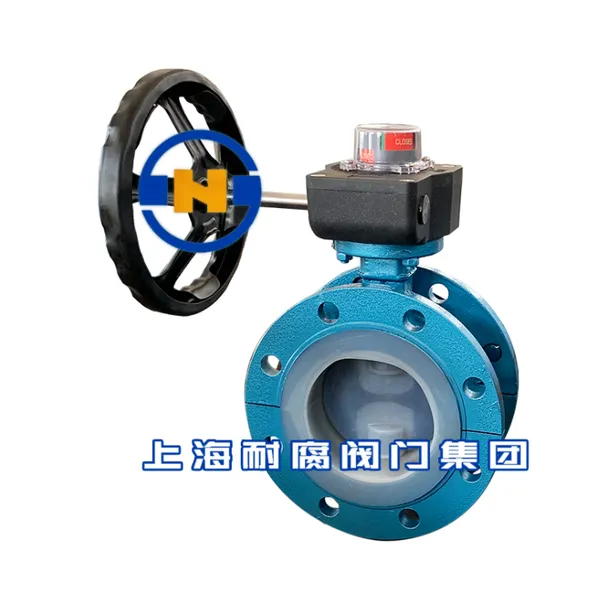
Fluorine Lined Flange Butterfly Valve With Signal Feedback, Butterfly ValveNegotiableMOQ: 1 Piece
-
Corrosion Resistant, Wear Resistant, PTFE Lined Steel Pipe Elbow Connector AdapterNegotiableMOQ: 1 Piece
-
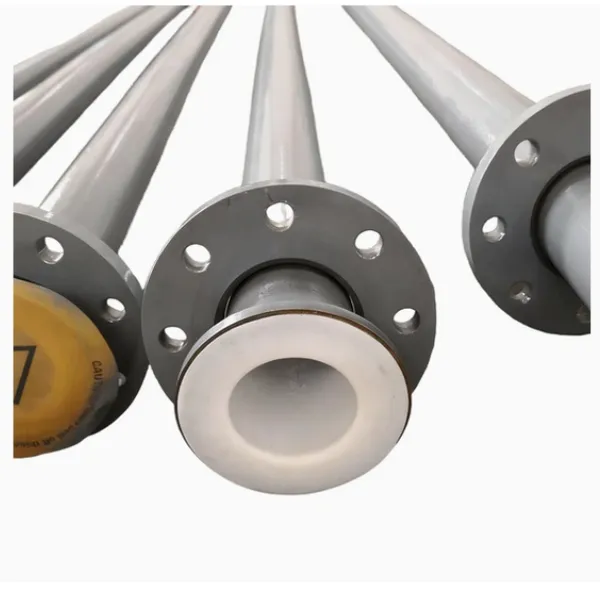
Chemical Industrial-Grade Heavy Duty PTFE-Lined Steel PipesNegotiableMOQ: 1 Piece
-
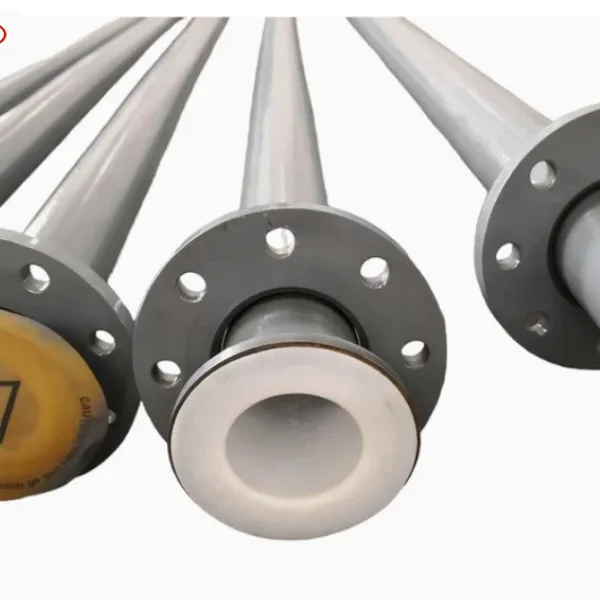
PTFE Lined Pipe PTFE Tubing Steel Pipe LinerNegotiableMOQ: 1 Piece
-
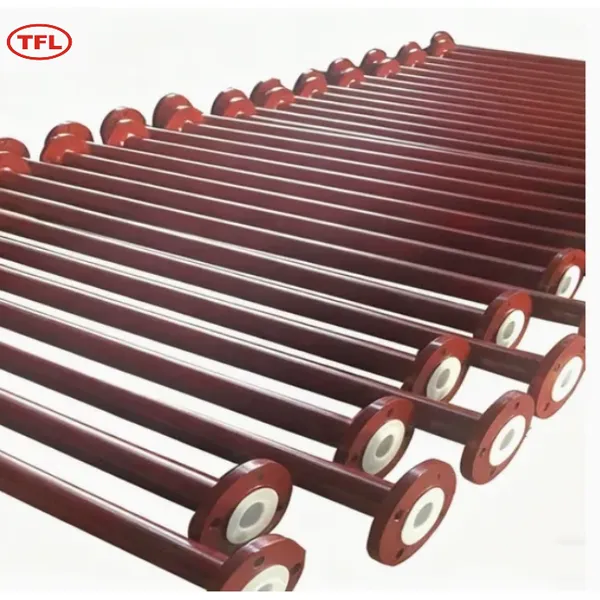
PTFE Lined Spool Plastic Lined Spool PipeNegotiableMOQ: 1 Piece
-
Chemical Corrosion-Resistant PTFE Lined Steel Straight PipeNegotiableMOQ: 1 Piece
-
10L 20L 500L Liter Stainless Steel Chemical PTFE Lined Storage TankNegotiableMOQ: 1 Piece
-
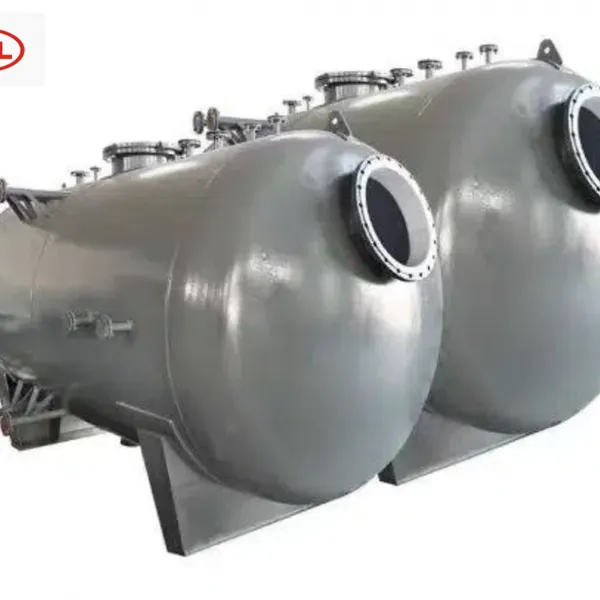
3000L PTFE Lined ETFE Coated Tank / Glass Lined Storage TankNegotiableMOQ: 1 Piece
-
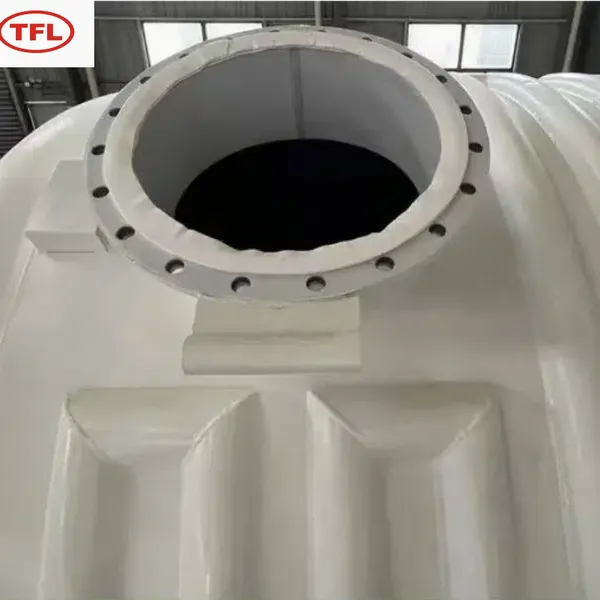
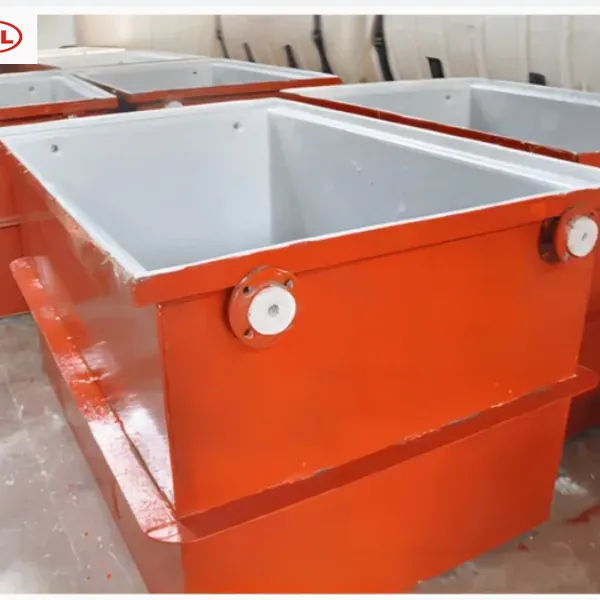
Chemical Container PTFE Lined Square Tank for Chemical Plant EquipmentNegotiableMOQ: 1 Piece
-
Anti Corrosion PTFE Lined ValveNegotiableMOQ: 1 Piece
-
Anti Corrosion PTFE Lined PumpNegotiableMOQ: 1 Piece
-
Lined PTFE Metal HoseNegotiableMOQ: 1 Piece
-
PTFE Lined Flexible Stainless Steel Metal Hose, Smooth/Corrugated Bore PTFE HoseNegotiableMOQ: 1 Piece
-
304 Stainless Steel Fluorine Lined Ball Valve, Stainless Steel Ball ValveNegotiableMOQ: 1 Piece