
 Business License
Navigating the Complexities of Chemical Engineering: The Power of EPCC Integration
Navigating the Complexities of Chemical Engineering: The Power of EPCC Integration
In the modern industrial landscape, delivering a chemical processing facility from conceptual design to operational reality is a monumental task. The chemical sector is shifting away from fragmented project execution models. Instead, forward-thinking operators are turning to Chemical Engineering EPCC
(Engineering, Procurement, Construction, and Commissioning) integrated contracts. This single-responsibility framework has become the gold standard for mitigating financial, technical, and scheduling risks in complex chemical projects.
But what makes the EPCC approach so transformative for the chemical industry? Let’s explore how integrating these four critical phases drives efficiency, safety, and faster time-to-market.
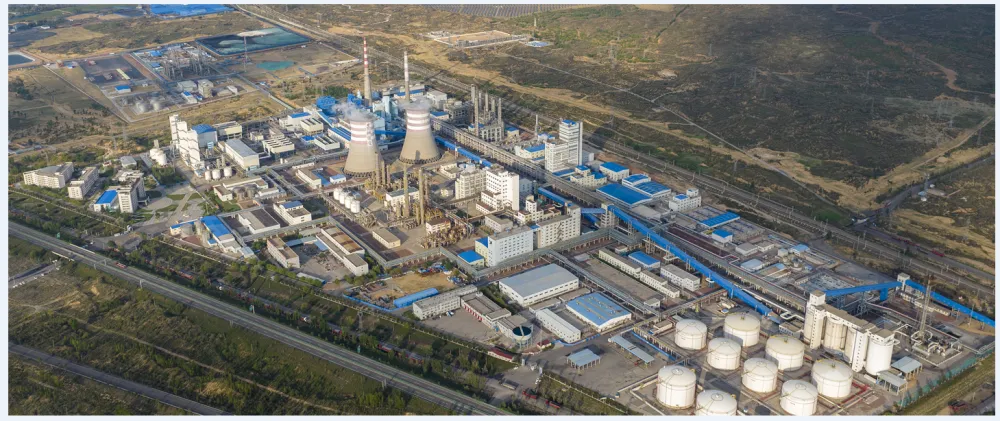
1. Engineering: The Foundation of Process Safety and Optimization
In chemical engineering, the "E" in EPCC is far more than standard blueprinting. It encompasses highly specialized technical design that dictates the plant’s entire lifecycle performance.
Front-End Engineering Design (FEED): This phase conceptualizes basic engineering, defines project scopes, and provides accurate cost estimations.
Process Simulation & Safety: Utilizing advanced software (like Aspen Plus or HYSYS) to simulate complex chemical reactions, mass balances, and thermodynamics while incorporating strict HAZOP (Hazard and Operability) studies.
Detailed Piping & Instrumentation Diagrams (P&IDs): Crafting precise routing for hazardous fluids, specifying high-pressure vessels, and designing complex distillation columns.
When engineering is integrated with downstream phases, designers can consult with construction and procurement teams in real time, virtually eliminating costly design changes during construction.
2. Procurement: Securing Specialized, High-Spec Equipment
Chemical plants require materials and machinery that can withstand extreme pressures, cryogenic temperatures, and highly corrosive environments. Global sourcing in chemical projects demands strict quality compliance.
Long-Lead Item Management: Critical equipment such as reactors, heavy-duty compressors, and custom heat exchangers often take months to manufacture.
Metallurgy and Compliance: Ensuring all sourced piping and valves meet exact metallurgical standards (e.g., Duplex stainless steel, Hastelloy) and international codes (ASME, API).
Vendor Quality Surveillance: Continuous auditing of manufacturers to guarantee that specialized instrumentation and automated control valves are defect-free before arriving at the construction site.
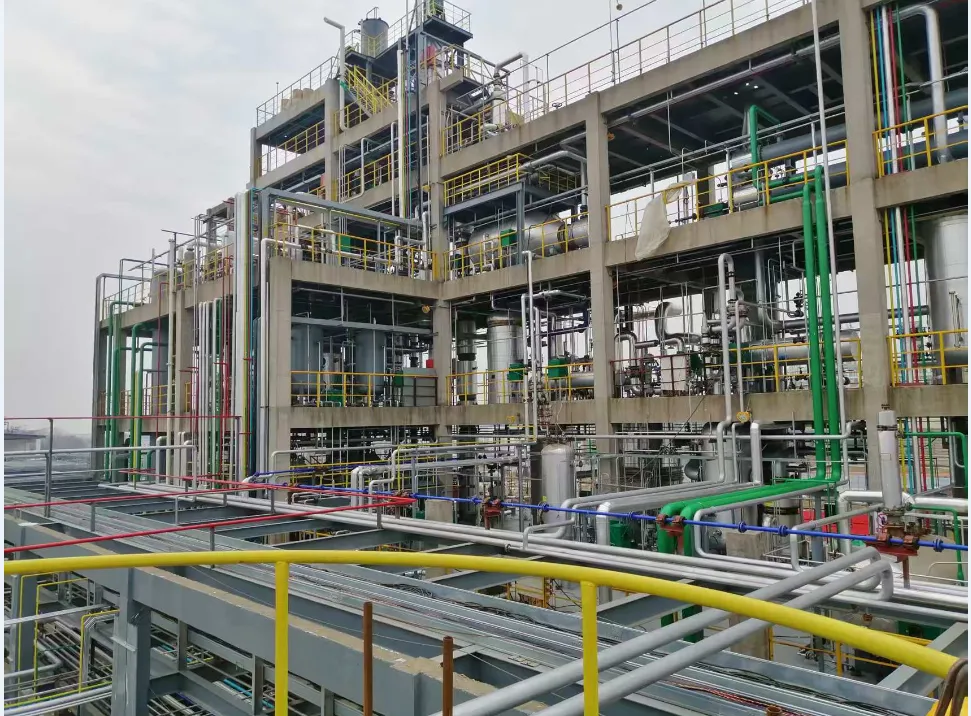
3. Construction: Executing Complex Rigging and Heavy Lifts
The "C" phase is where engineering designs take physical form. Constructing a chemical plant requires precision logistics and a world-class safety culture.
Modularization and Pre-assembly: To save time and improve safety, massive process skids and pipe racks are prefabricated off-site in controlled environments and shipped to the location.
Heavy Lifting Logistics: Coordinating the erection of massive vertical structures, such as cracking towers and fractionating columns, using specialized heavy-lift cranes.
Rigorous Safety Management: Adhering to zero-tolerance safety protocols, given the proximity to explosive, toxic, or flammable chemical environments during expansion or brownfield projects.
4. Commissioning: Transitioning from Mechanical Completion to Stable Operation
The final "C" is where many traditional multi-contractor projects stumble, but where the EPCC model shines. Commissioning bridges the gap between a built structure and a functioning chemical plant.
Pre-commissioning Tests: Conducting thorough pressure testing, pipe flushing, chemical cleaning, and electrical loop testing.
Cold and Hot Commissioning: Introducing inert fluids first to test system integrity, followed by actual chemical feedstocks under operating temperatures and pressures.
Performance Guarantee Runs: Testing the plant at full capacity to verify that the chemical yield, product purity, and energy efficiency meet the original design guarantees.
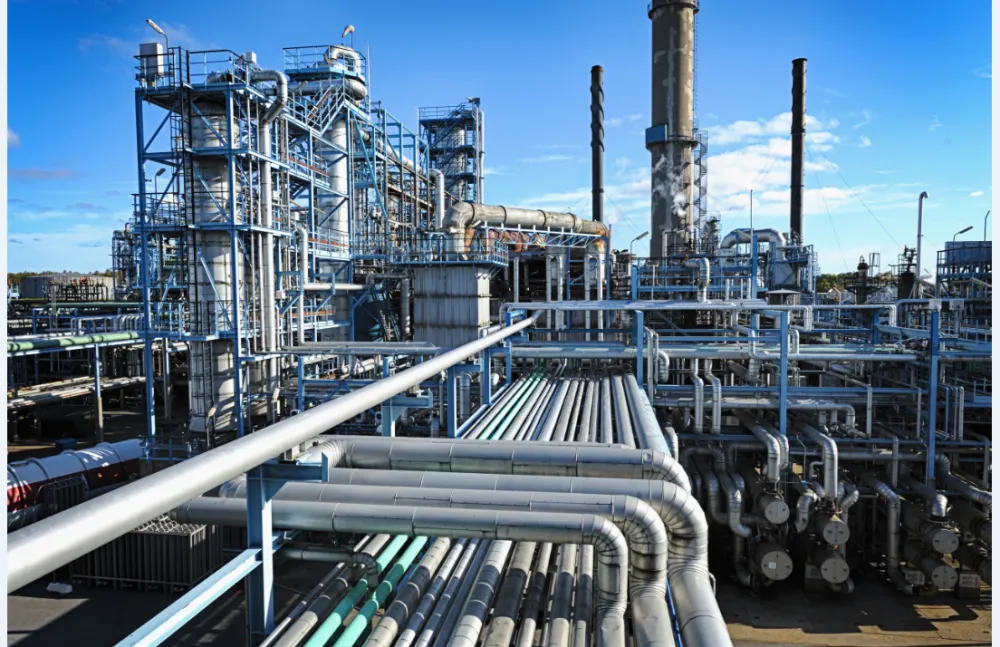
Why the Integrated EPCC Model Wins in the Chemical Sector
Choosing a single EPCC partner instead of managing separate design firms, equipment vendors, and general contractors offers distinct strategic advantages:
| Benefit | Multi-Contractor Approach | Integrated EPCC Model |
|---|---|---|
| Risk Allocation | Owner bears the risk of finger-pointing between designer and builder. | Single point of accountability; the EPCC contractor absorbs the interface risk. |
| Schedule Control | Sequential transitions often cause delays between design completion and construction bidding. | Overlapping phases (Fast-Tracking). Procurement and early construction begin during detailed engineering. |
| Change Orders | High frequency of expensive change orders due to design gaps discovered on-site. | Minimal change orders, as the construction team validates the design from day one. |
| Total Cost | Hidden costs in managing multiple interfaces and prolonged project timelines. | Optimized lifecycle costs through value engineering and efficient resource allocation. |
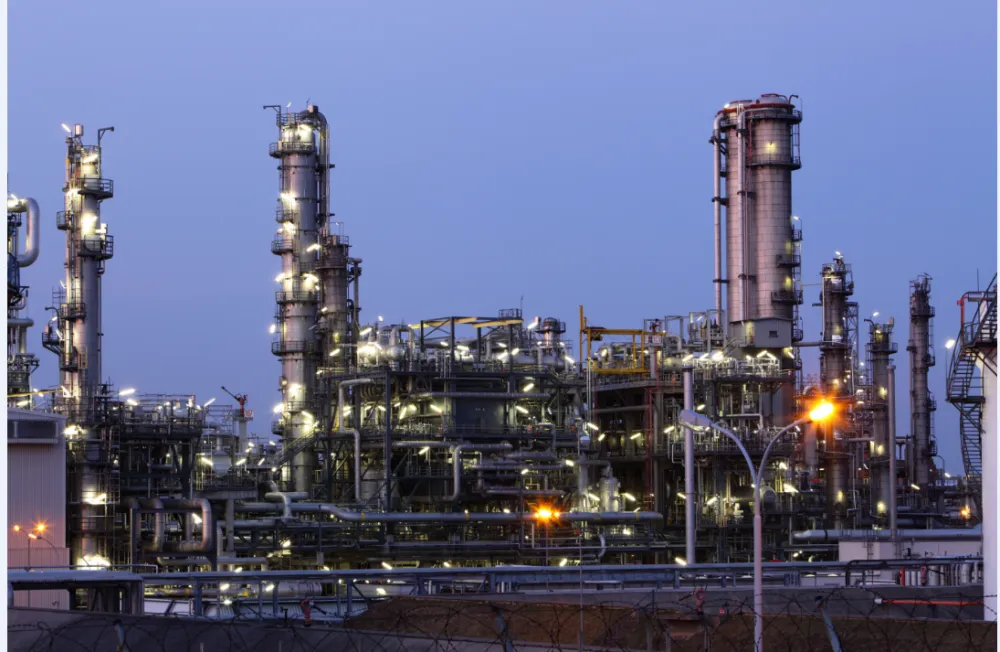
Conclusion: Future-Proofing Chemical Infrastructure
As the chemical industry evolves toward greater sustainability, decarbonization, and digitalization (such as Digital Twins and Industry 4.0 automation), project execution must evolve too. A seamless EPCC framework ensures that advanced process technologies are integrated correctly, safely, and economically from day one. For chemical producers looking to scale production or build next-generation facilities, the integrated EPCC model is no longer just an option—it is a competitive necessity.
Recently Posted
-
How to Choose a China EPCC Company for Chemical Industry Anti-Corrosion Design
October 15, 2026How to Choose a China EPCC Company for Chemical Industry Anti-Corrosion DesignIn the chemical industry, corrosion is not merely a Read More
-
How to Choose a Reliable PTFE Lined Steel Pipe Manufacturer in China: A Comprehensive Guide
October 15, 2026How to Choose a Reliable PTFE Lined Steel Pipe Manufacturer in China: A Comprehensive GuidePolytetrafluoroethylene (PTFE) lined st Read More
-
How to choose the material of corrosion-resistant lining ? PTFE (F4) / FEP (F46) / ETFE (F40) / PFA / PO (PE) Anticorrosion Meterial Performance Table
October 13, 2026How to choose the material of corrosion-resistant lining ? PTFE (F4) / FEP (F46) / ETFE (F40) / PFA / PO (PE) Anticorrosion Meteri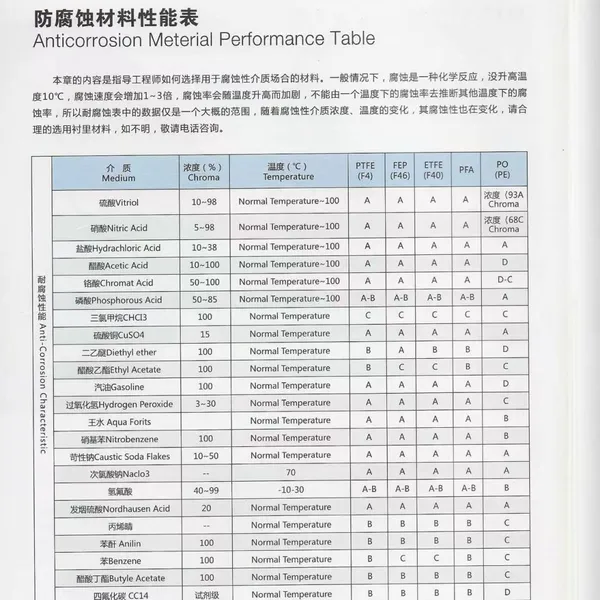 Read More
-
hot sales products of Shanghai Teflon Anticorrosive Equipment Co., Ltd.
October 13, 2026hot sales products of Shanghai Teflon Anticorrosive Equipment Co., Ltd. Ptfe-Lined PipesPtfe-Lined va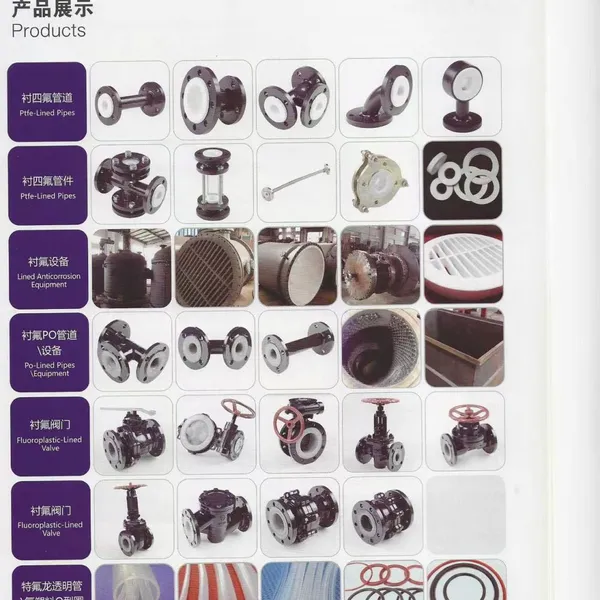 Read More

Contact Us
Recommended Products
-
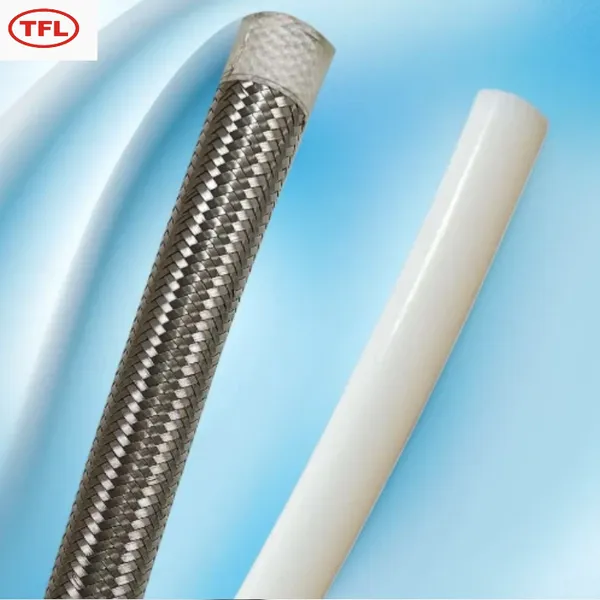
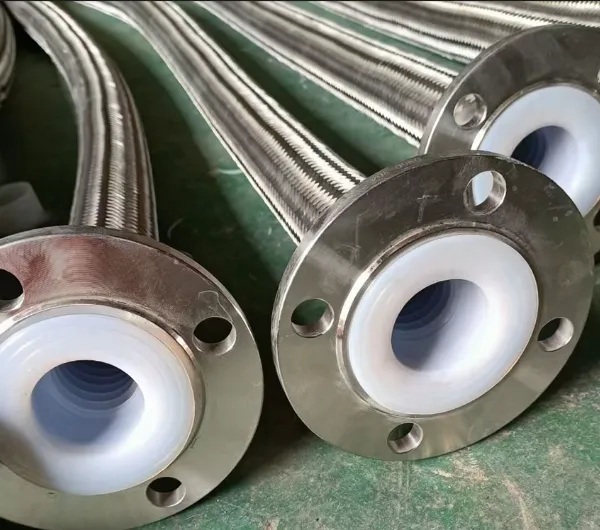
 PTFE Braided Flexible Metal Hose SteelNegotiableMOQ: 1 Piece
-
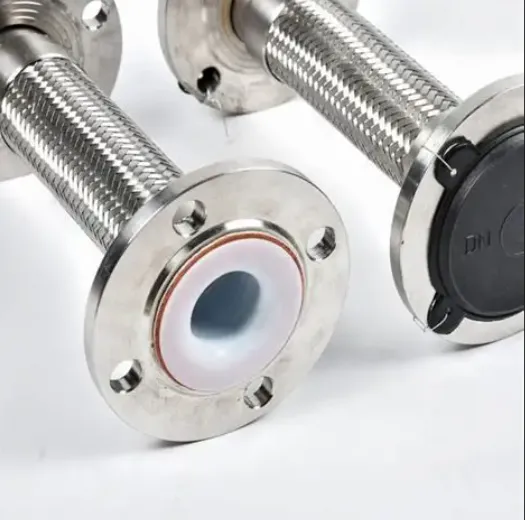
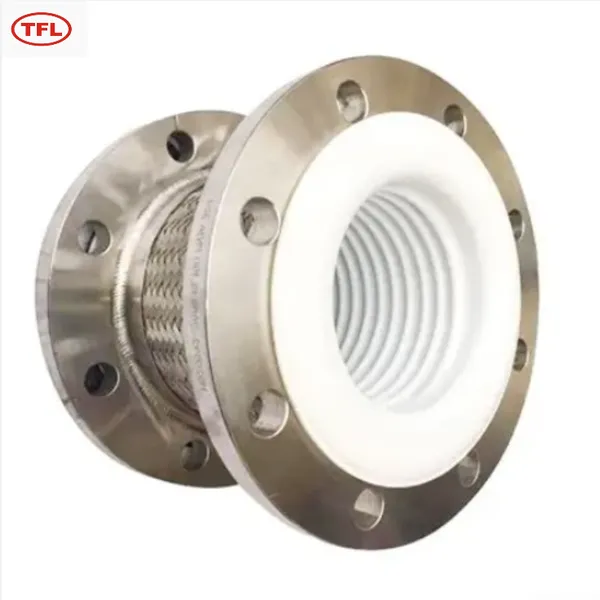
Metal Compensator Lined HoseNegotiableMOQ: 1 Piece
-
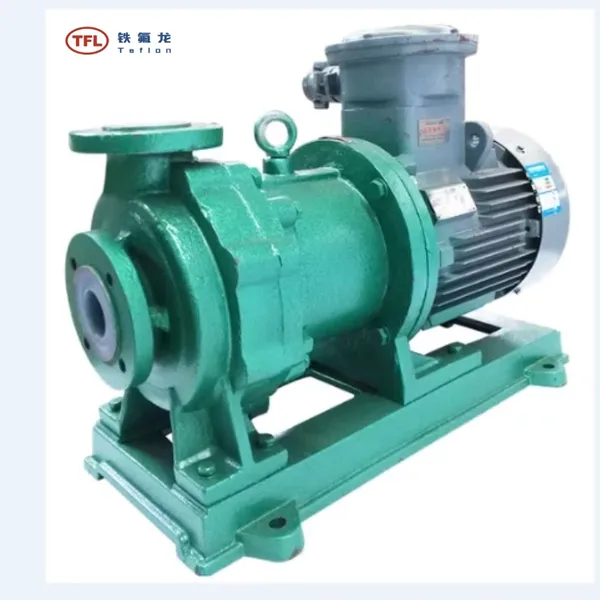
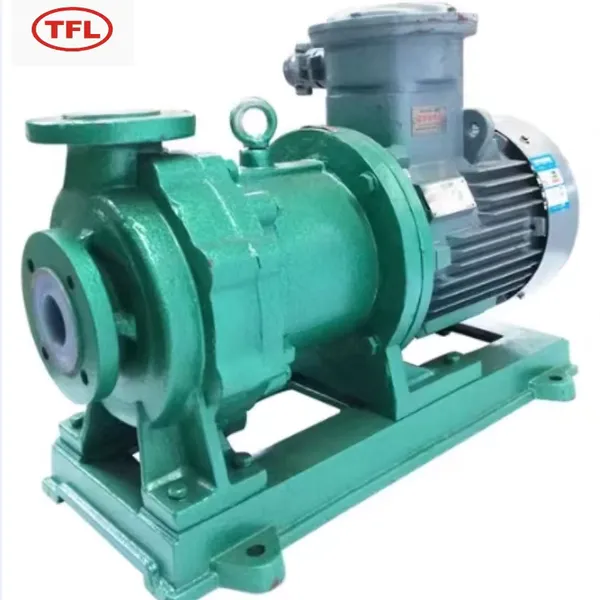
Fluorine Plastic (F46, PTFE, PFA Lining) Lined Chemical Process PumpNegotiableMOQ: 1 Piece
-
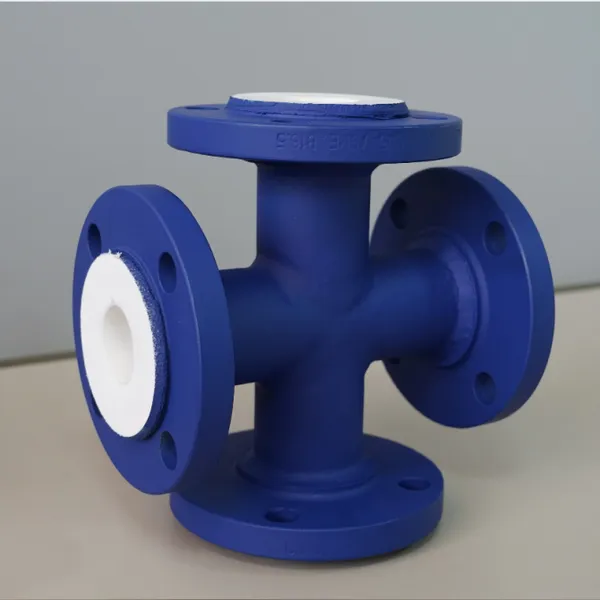
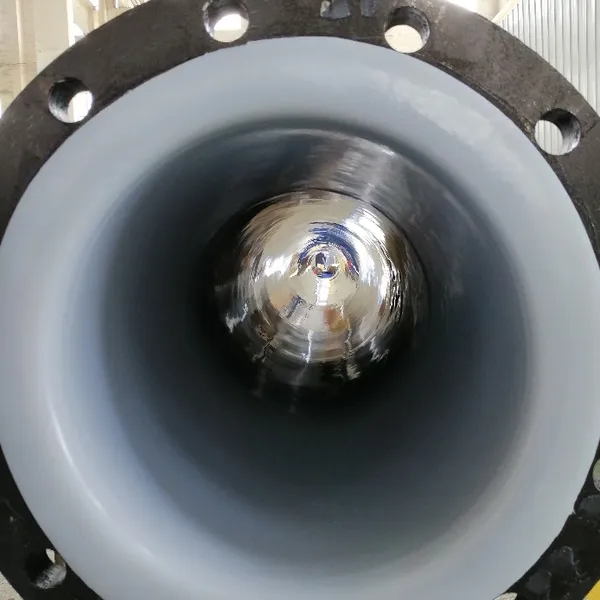
Liquid Wear Resistant PipelinesNegotiableMOQ: 1 Piece
-
Liquid Alkali-resistant PipelinesNegotiableMOQ: 1 Piece
-
Liquid Corrosion-resistant PipelinesNegotiableMOQ: 1 Piece
-
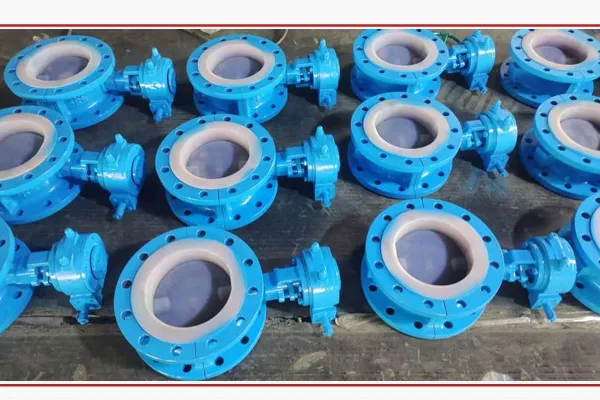
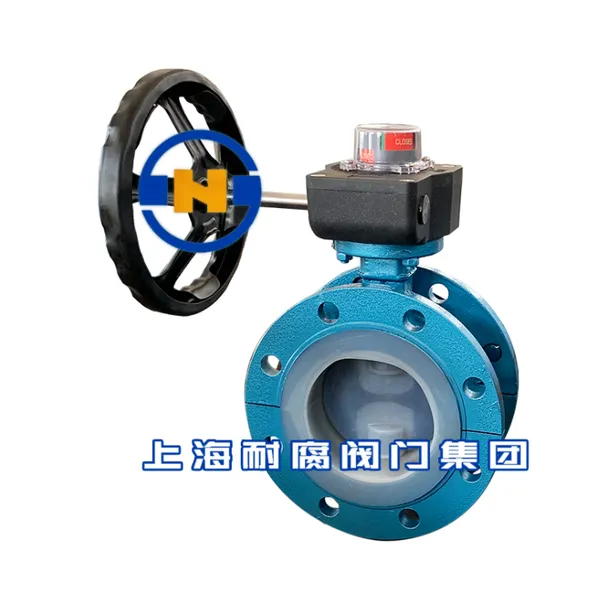
Fluorine Lined Flange Butterfly Valve With Signal Feedback, Butterfly ValveNegotiableMOQ: 1 Piece
-
Corrosion Resistant, Wear Resistant, PTFE Lined Steel Pipe Elbow Connector AdapterNegotiableMOQ: 1 Piece
-
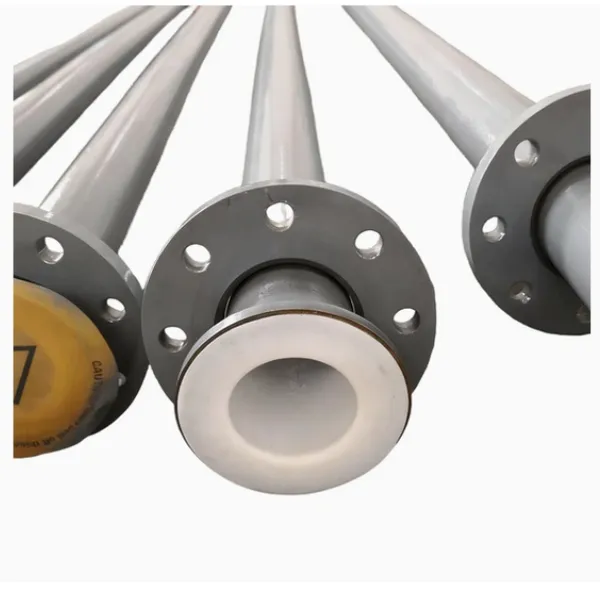
Chemical Industrial-Grade Heavy Duty PTFE-Lined Steel PipesNegotiableMOQ: 1 Piece
-
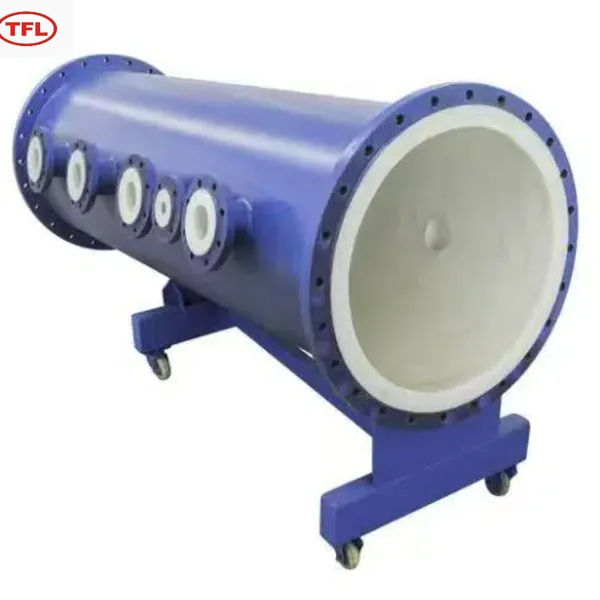
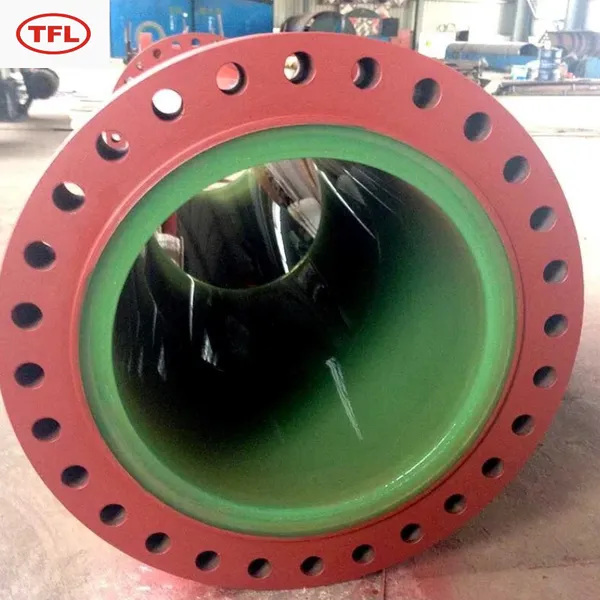
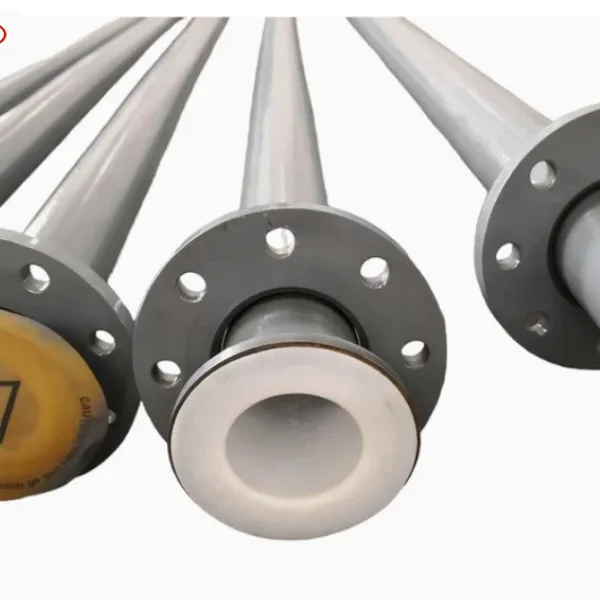
PTFE Lined Pipe PTFE Tubing Steel Pipe LinerNegotiableMOQ: 1 Piece
-
PTFE Lined Spool Plastic Lined Spool PipeNegotiableMOQ: 1 Piece
-
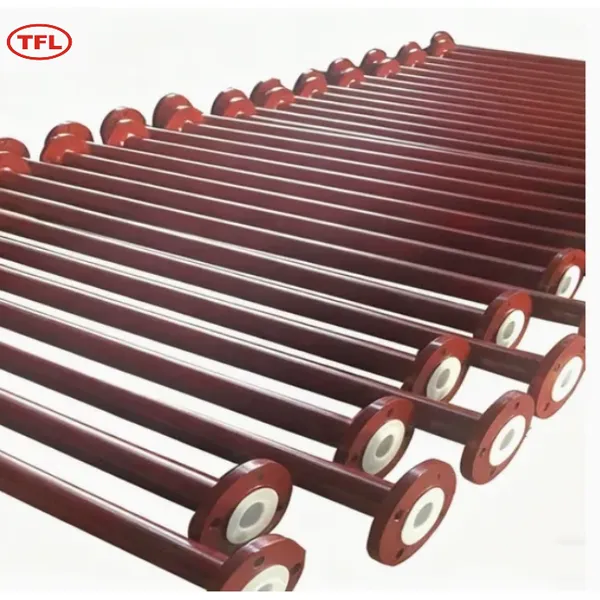
Chemical Corrosion-Resistant PTFE Lined Steel Straight PipeNegotiableMOQ: 1 Piece
-
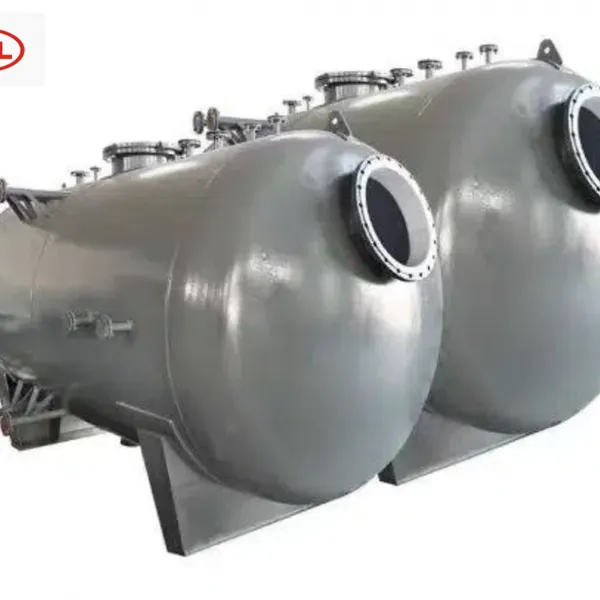
10L 20L 500L Liter Stainless Steel Chemical PTFE Lined Storage TankNegotiableMOQ: 1 Piece
-
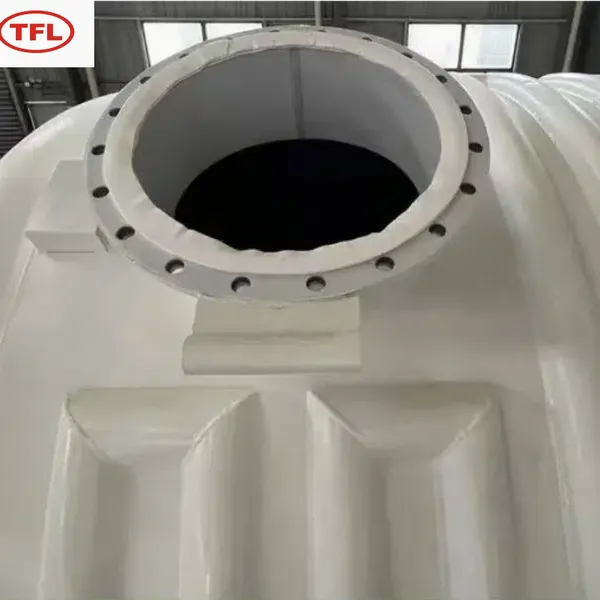
3000L PTFE Lined ETFE Coated Tank / Glass Lined Storage TankNegotiableMOQ: 1 Piece
-
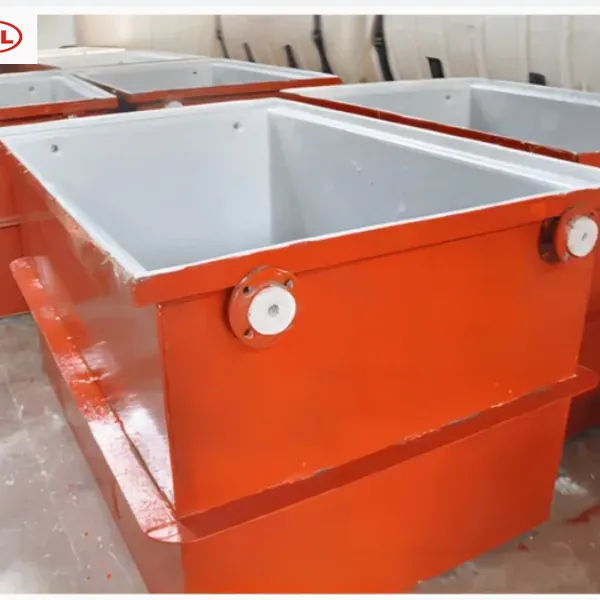
Chemical Container PTFE Lined Square Tank for Chemical Plant EquipmentNegotiableMOQ: 1 Piece
-
Anti Corrosion PTFE Lined ValveNegotiableMOQ: 1 Piece
-
Anti Corrosion PTFE Lined PumpNegotiableMOQ: 1 Piece
-
Lined PTFE Metal HoseNegotiableMOQ: 1 Piece
-
PTFE Lined Flexible Stainless Steel Metal Hose, Smooth/Corrugated Bore PTFE HoseNegotiableMOQ: 1 Piece
-
304 Stainless Steel Fluorine Lined Ball Valve, Stainless Steel Ball ValveNegotiableMOQ: 1 Piece