
 Business License
Mitigating Corrosion in Chemical Piping Design: How Smart Engineering Saves Millions in OPEX
Mitigating Corrosion in Chemical Piping Design: How Smart Engineering Saves Millions in OPEX
In the chemical processing industry, pipeline networks are the vital veins of any facility. However, they are constantly under attack. Transporting highly aggressive acids, caustic solutions, and volatile organic compounds (VOCs) under high temperature and pressure makes piping corrosion an inevitability if not properly engineered.
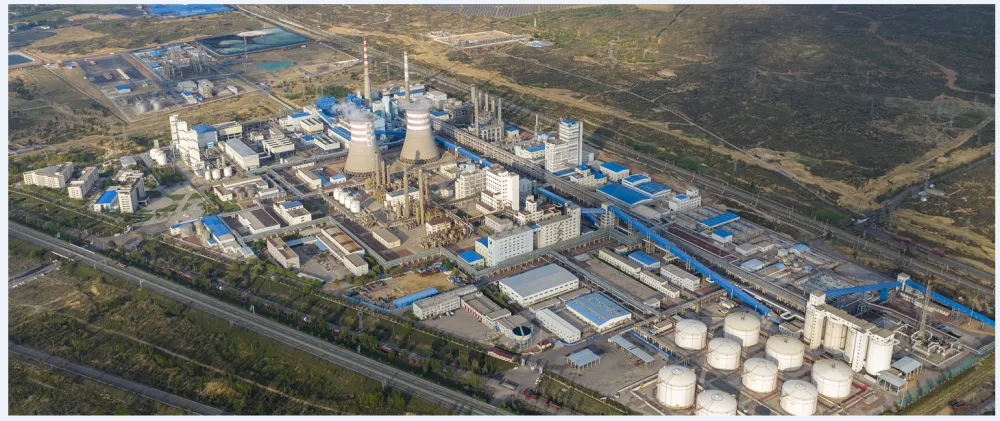
According to global industrial studies, corrosion costs the chemical sector billions annually. More importantly, it leads to unplanned shutdowns, hazardous chemical leaks, and catastrophic safety risks.
At the core of an efficient chemical plant layout, advanced corrosion control during the Front-End Engineering Design (FEED) phase is the most cost-effective investment a project developer can make.
Here is how modern chemical engineering design tackles corrosion to guarantee plant longevity and safety:
1. Strategic Material Selection (Metallurgical Engineering)
There is no "one-size-fits-all" material. Choosing between Carbon Steel (with corrosion allowance), Stainless Steel (304/316L), Duplex alloys, or exotic metals like Titanium and Hastelloy requires deep chemical insight. Engineers must analyze fluid velocity, concentration, and temperature profiles using tools like NACE/AMPP standards to prevent pitting, crevice corrosion, and Stress Corrosion Cracking (SCC).
2. Advanced Non-Metallic & Lined Piping Solutions
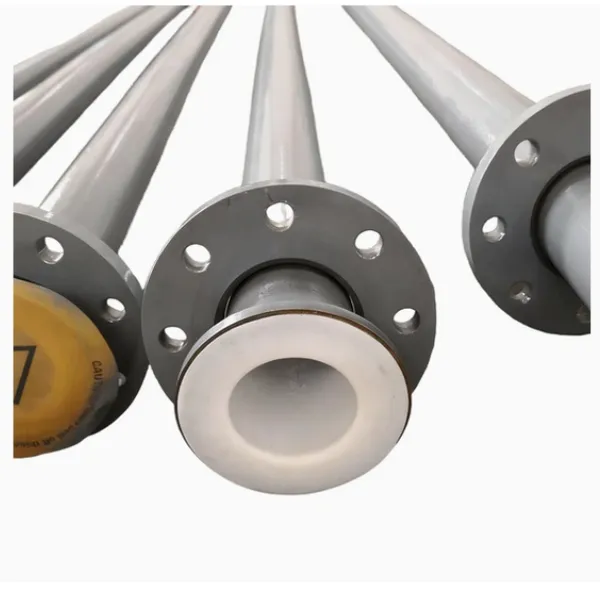
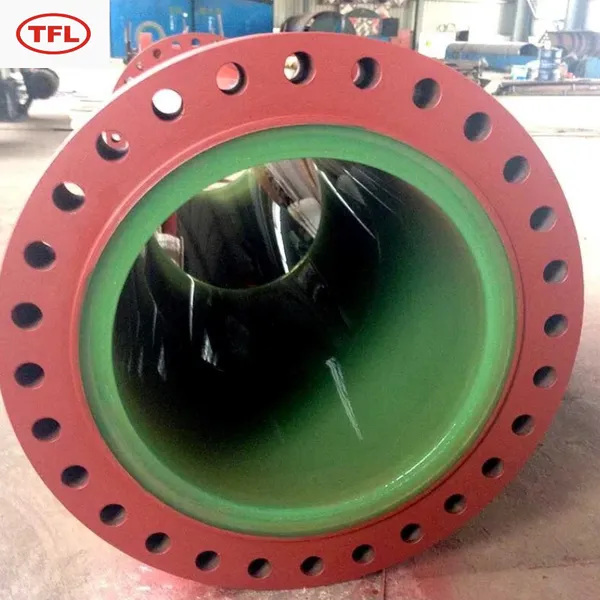
For extreme corrosive environments where metals fail, engineering design pivots toward advanced non-metallics. Incorporating Glass-Reinforced Epoxy (GRE), High-Density Polyethylene (HDPE), or steel pipes lined with PTFE, PFA, or PVDF offers absolute chemical inertness. The engineering challenge lies in precise stress analysis and expansion joint design for these dissimilar materials.
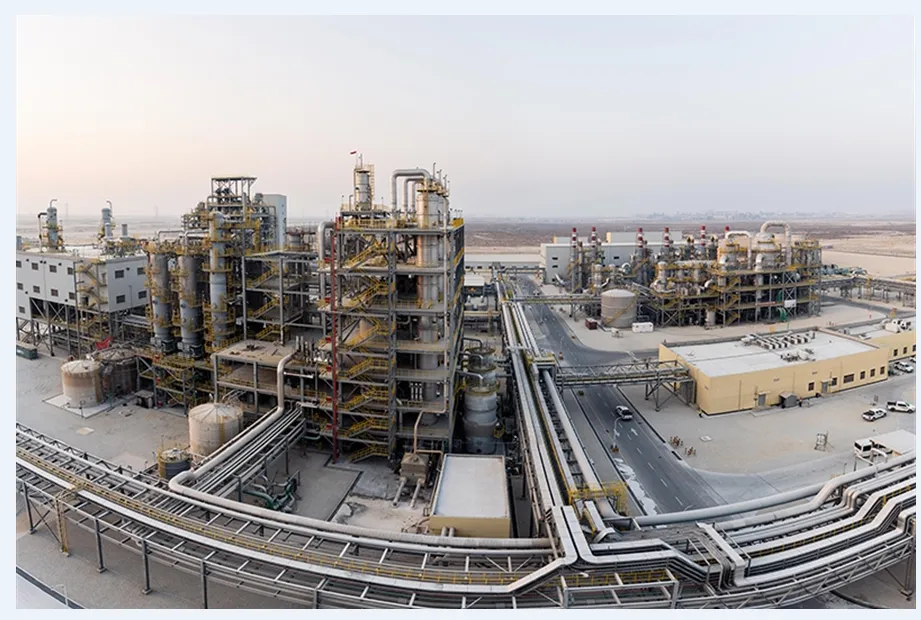
3. Intelligent Chemical Dosing & Cathodic Protection
Corrosion control isn't just passive; it can be active. Engineering design integrates automated chemical dosing packages to inject corrosion inhibitors or oxygen scavengers into the process stream. For buried or subsea logistics piping, we design robust Cathodic Protection (CP) systems, including sacrificial anodes and impressed current systems (ICCP), monitored via smart sensors.
4. Smart Plant Layout & Partnering
Comprehensive design also addresses external environments, minimizing galvanic coupling, avoiding moisture traps, and preventing Corrosion Under Insulation (CUI) through advanced coatings. Partnering with [Your Company Name] ensures zero-leak, corrosion-resistant systems to lower long-term OPEX.
Recently Posted
-
How to Choose a China EPCC Company for Chemical Industry Anti-Corrosion Design
October 15, 2026How to Choose a China EPCC Company for Chemical Industry Anti-Corrosion DesignIn the chemical industry, corrosion is not merely a Read More
-
How to Choose a Reliable PTFE Lined Steel Pipe Manufacturer in China: A Comprehensive Guide
October 15, 2026How to Choose a Reliable PTFE Lined Steel Pipe Manufacturer in China: A Comprehensive GuidePolytetrafluoroethylene (PTFE) lined st Read More
-
How to choose the material of corrosion-resistant lining ? PTFE (F4) / FEP (F46) / ETFE (F40) / PFA / PO (PE) Anticorrosion Meterial Performance Table
October 13, 2026How to choose the material of corrosion-resistant lining ? PTFE (F4) / FEP (F46) / ETFE (F40) / PFA / PO (PE) Anticorrosion Meteri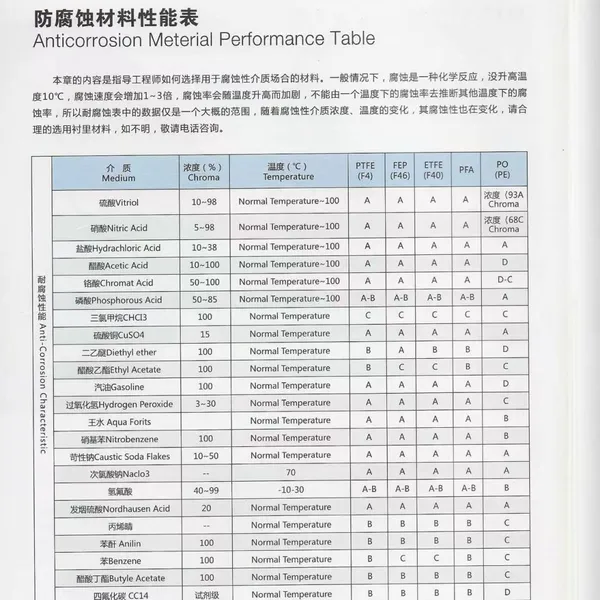 Read More
-
hot sales products of Shanghai Teflon Anticorrosive Equipment Co., Ltd.
October 13, 2026hot sales products of Shanghai Teflon Anticorrosive Equipment Co., Ltd. Ptfe-Lined PipesPtfe-Lined va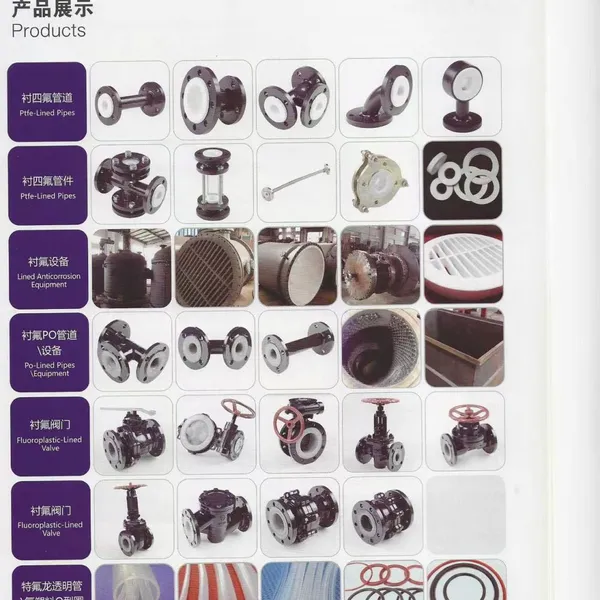 Read More

Contact Us
Recommended Products
-
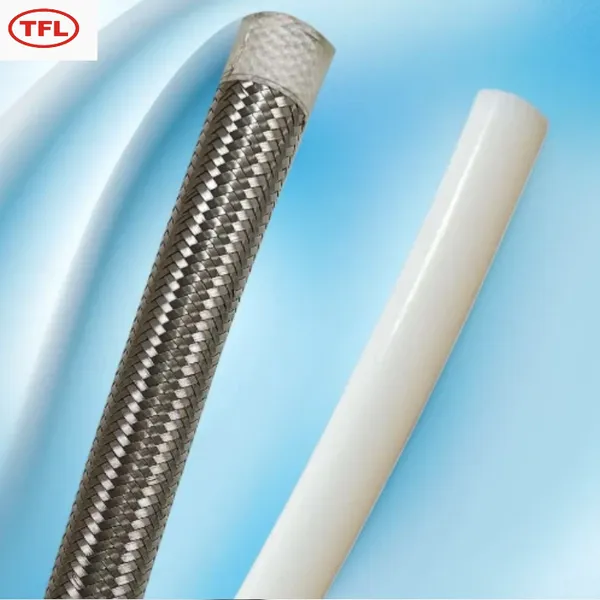
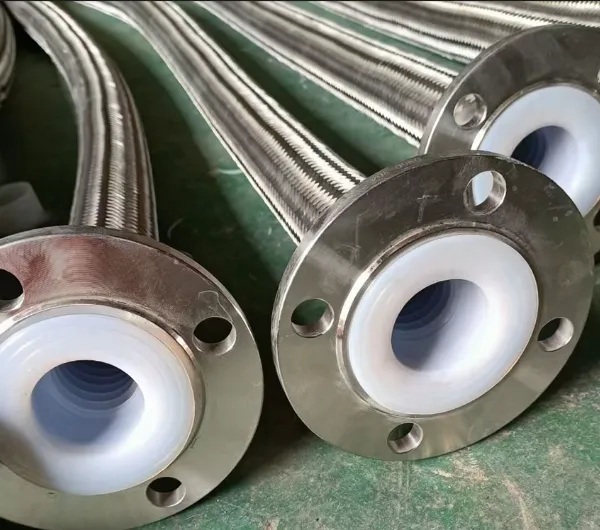
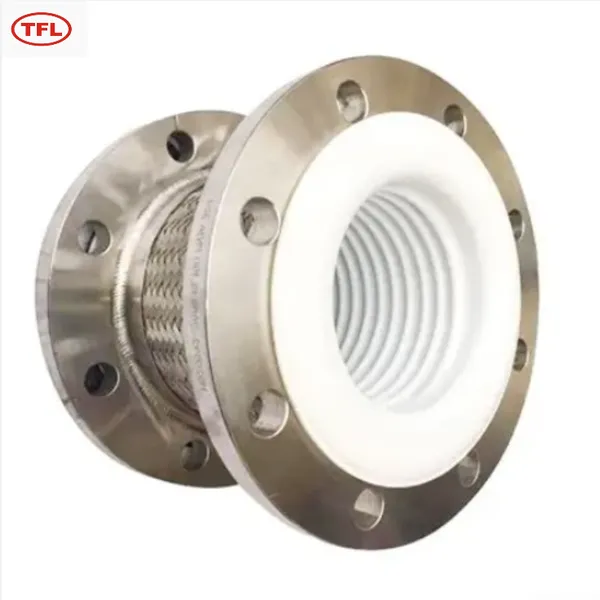
 PTFE Braided Flexible Metal Hose SteelNegotiableMOQ: 1 Piece
-
Metal Compensator Lined HoseNegotiableMOQ: 1 Piece
-
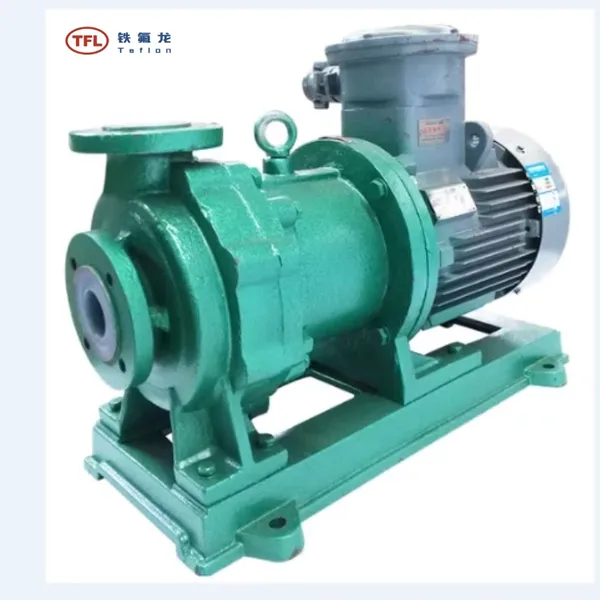
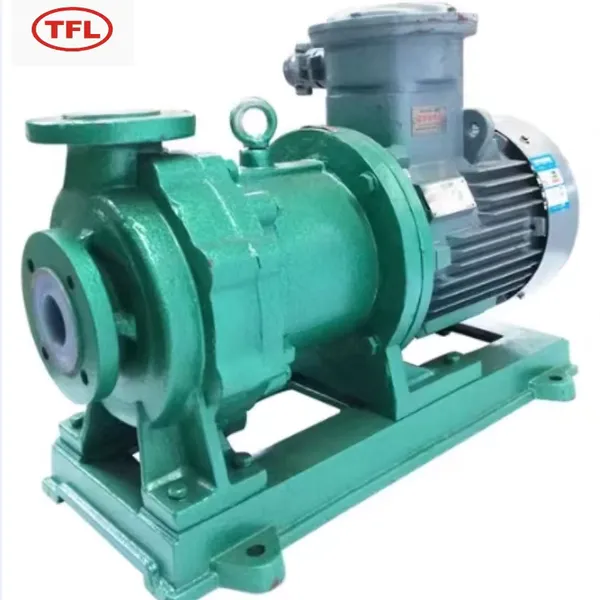
Fluorine Plastic (F46, PTFE, PFA Lining) Lined Chemical Process PumpNegotiableMOQ: 1 Piece
-
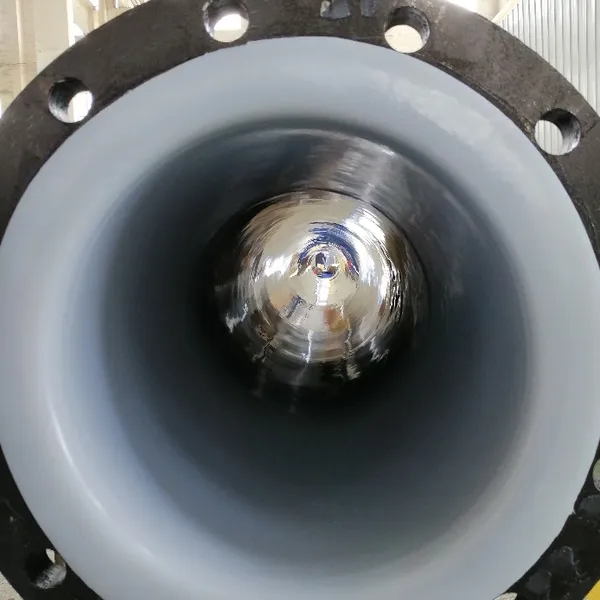
Liquid Wear Resistant PipelinesNegotiableMOQ: 1 Piece
-
Liquid Alkali-resistant PipelinesNegotiableMOQ: 1 Piece
-
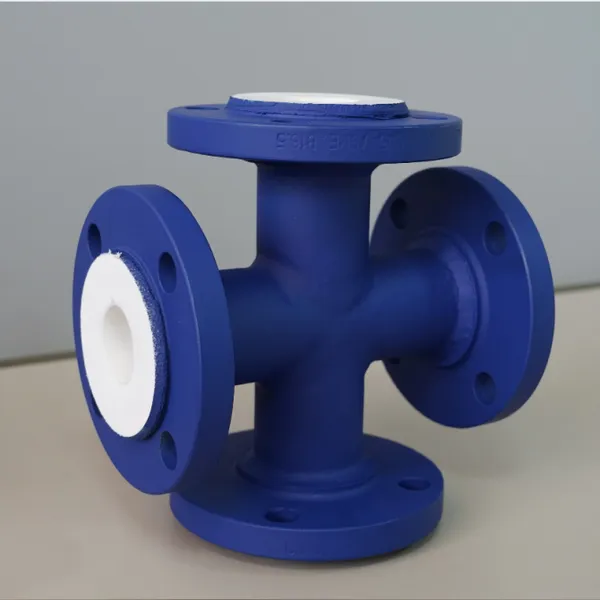
Liquid Corrosion-resistant PipelinesNegotiableMOQ: 1 Piece
-
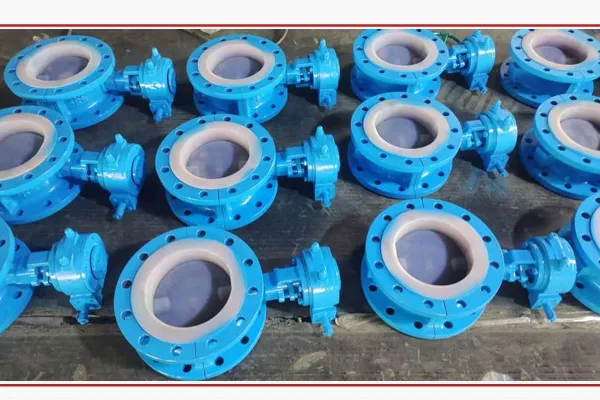
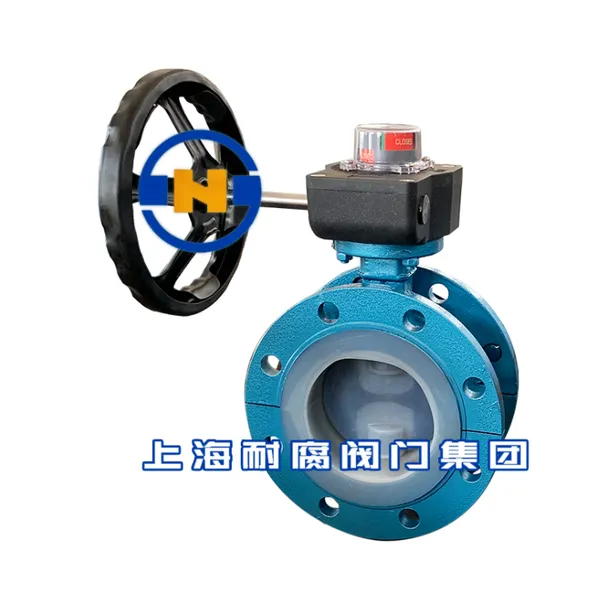
Fluorine Lined Flange Butterfly Valve With Signal Feedback, Butterfly ValveNegotiableMOQ: 1 Piece
-
Corrosion Resistant, Wear Resistant, PTFE Lined Steel Pipe Elbow Connector AdapterNegotiableMOQ: 1 Piece
-
Chemical Industrial-Grade Heavy Duty PTFE-Lined Steel PipesNegotiableMOQ: 1 Piece
-
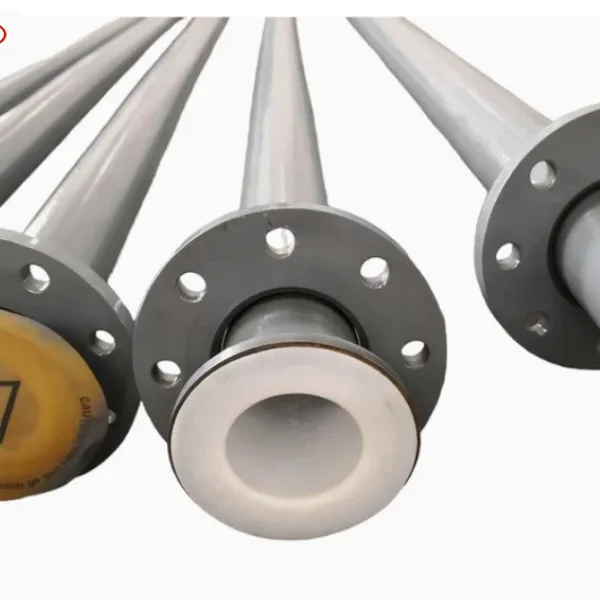
PTFE Lined Pipe PTFE Tubing Steel Pipe LinerNegotiableMOQ: 1 Piece
-
PTFE Lined Spool Plastic Lined Spool PipeNegotiableMOQ: 1 Piece
-
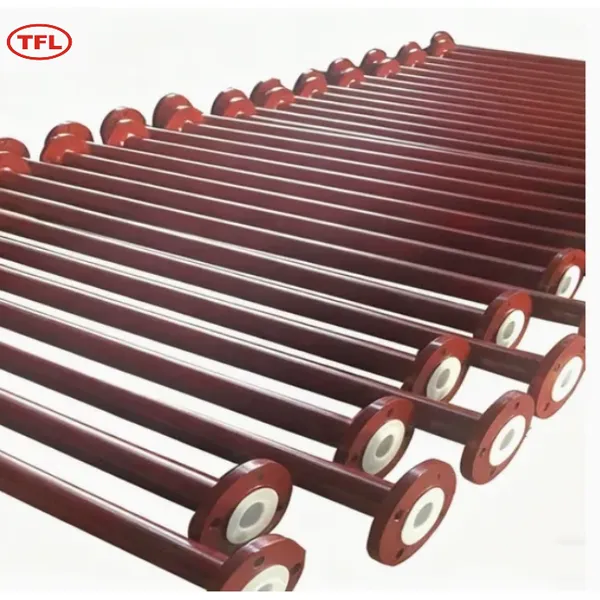
Chemical Corrosion-Resistant PTFE Lined Steel Straight PipeNegotiableMOQ: 1 Piece
-
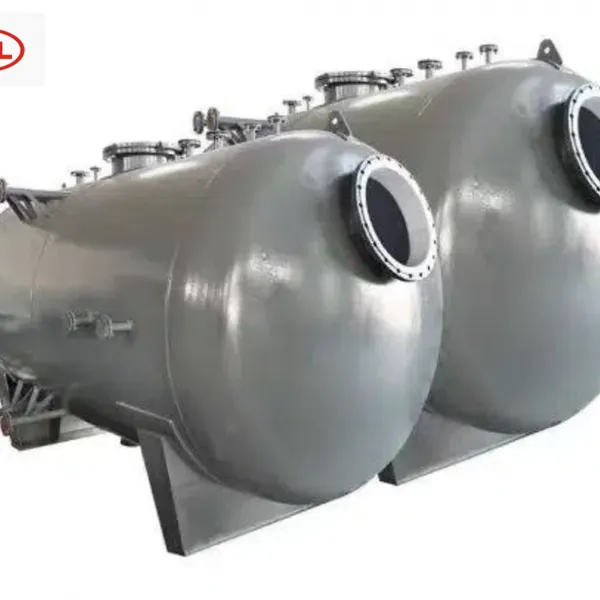
10L 20L 500L Liter Stainless Steel Chemical PTFE Lined Storage TankNegotiableMOQ: 1 Piece
-
3000L PTFE Lined ETFE Coated Tank / Glass Lined Storage TankNegotiableMOQ: 1 Piece
-
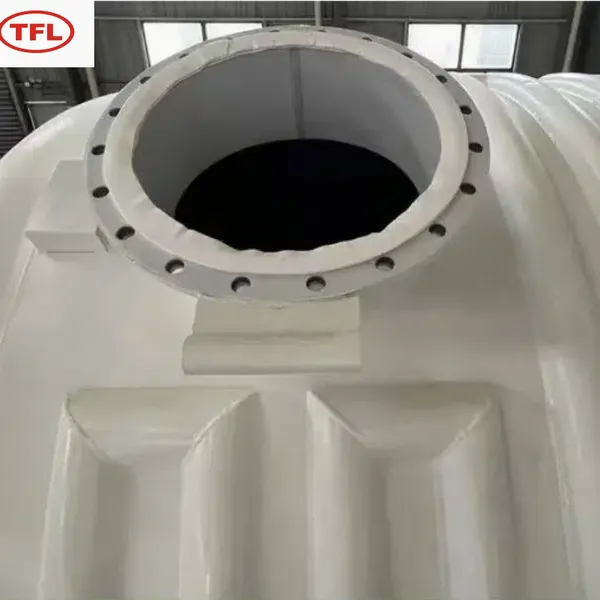
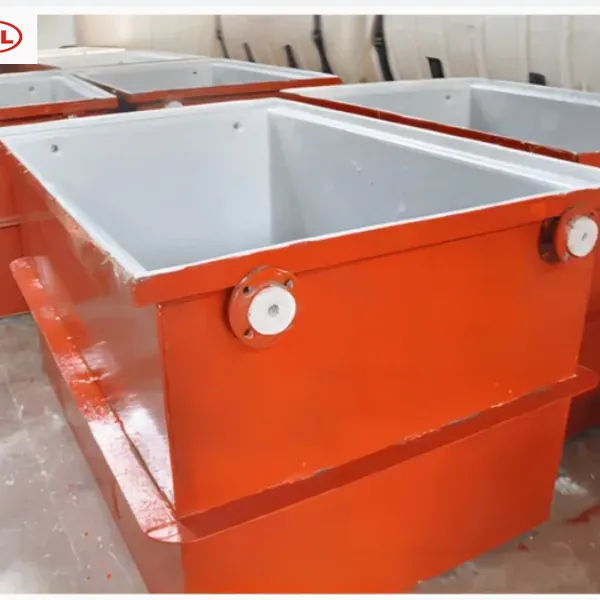
Chemical Container PTFE Lined Square Tank for Chemical Plant EquipmentNegotiableMOQ: 1 Piece
-
Anti Corrosion PTFE Lined ValveNegotiableMOQ: 1 Piece
-
Anti Corrosion PTFE Lined PumpNegotiableMOQ: 1 Piece
-
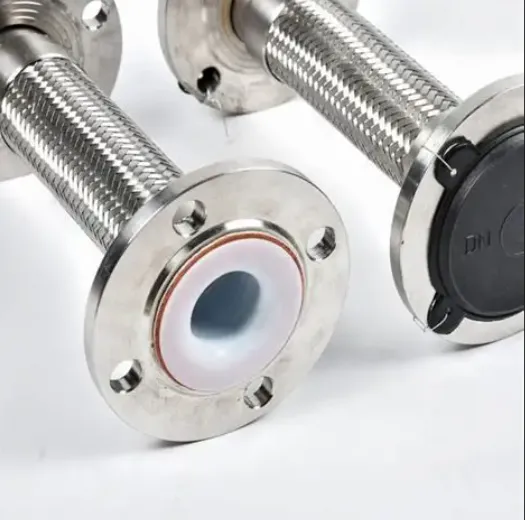
Lined PTFE Metal HoseNegotiableMOQ: 1 Piece
-
PTFE Lined Flexible Stainless Steel Metal Hose, Smooth/Corrugated Bore PTFE HoseNegotiableMOQ: 1 Piece
-
304 Stainless Steel Fluorine Lined Ball Valve, Stainless Steel Ball ValveNegotiableMOQ: 1 Piece