
 Business License
PTFE/PFA/PVDF Lined Steel Pipes: The Ultimate Corrosive Fluid Conveyance Solution for Aggressive Chemicals
PTFE/PFA/PVDF Lined Steel Pipes: The Ultimate Corrosive Fluid Conveyance Solution for Aggressive Chemicals
For chemical processing, pharmaceutical manufacturing, semiconductor production, and hazardous waste treatment facilities, one of the most persistent and costly operational challenges is safely transporting highly corrosive fluids. Standard carbon steel, even many stainless steel grades, quickly degrade when exposed to harsh media like nitric acid, sulfuric acid, hydrofluoric acid, phosgene, chlorine, aqua regia, mixed acids, bromides, and aggressive organic solvents. Uncontrolled corrosion leads to unexpected leaks, unplanned shutdowns, product contamination, safety hazards, and soaring long-term maintenance costs.
This is exactly where fluoropolymer lined steel pipes — engineered with PTFE, PFA, or PVDF inner linings — emerge as the proven, cost-effective conveyance solution that balances structural strength and extreme chemical resistance.
Why Ordinary Piping Fails for Aggressive Chemical Transport
When facilities rely on unprotected metal piping for corrosive media, the consequences are predictable:
Rapid wall thinning from continuous acid attack, leading to premature pipe failure
Contamination of high-purity process fluids, ruining batches in pharmaceutical and semiconductor lines
Dangerous leaks of toxic or reactive chemicals that put personnel and the environment at risk
Frequent replacement cycles that drive up downtime and total cost of ownership
Even high-alloy metals like Hastelloy or titanium can handle only a limited range of aggressive substances, and their upfront material cost is often prohibitively high for full-plant deployment.
How Fluoropolymer Lined Steel Pipes Solve the Problem
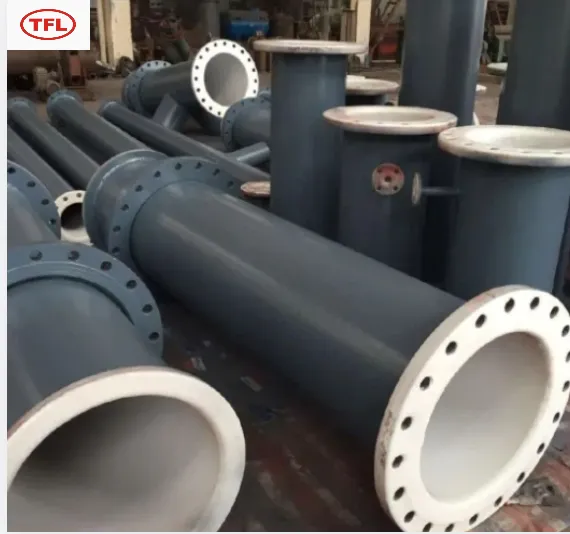
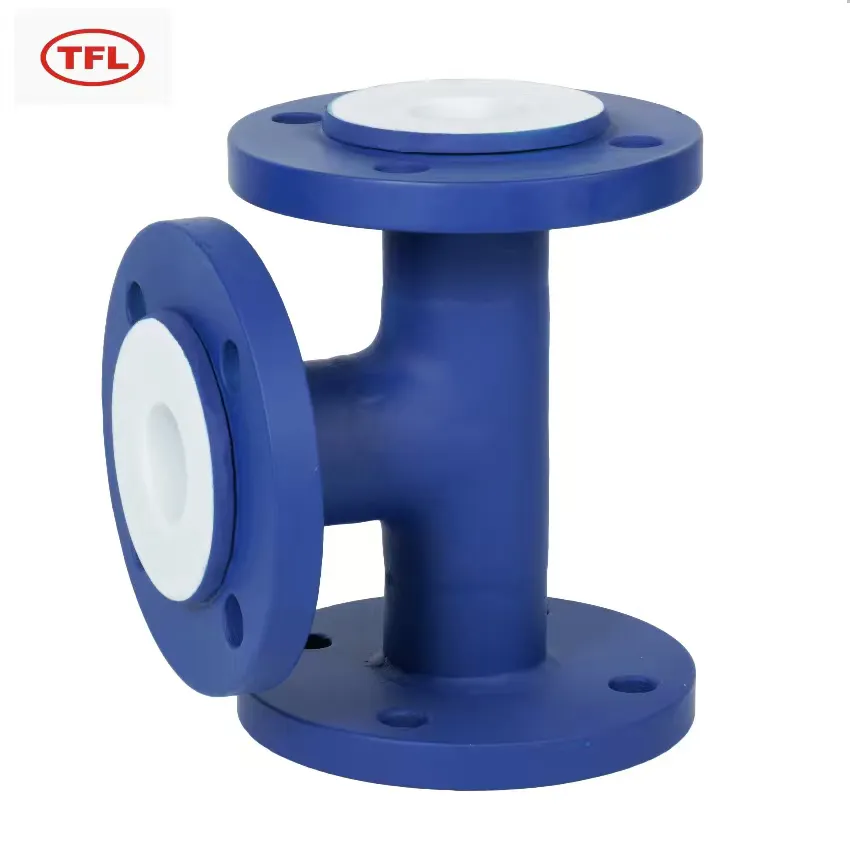
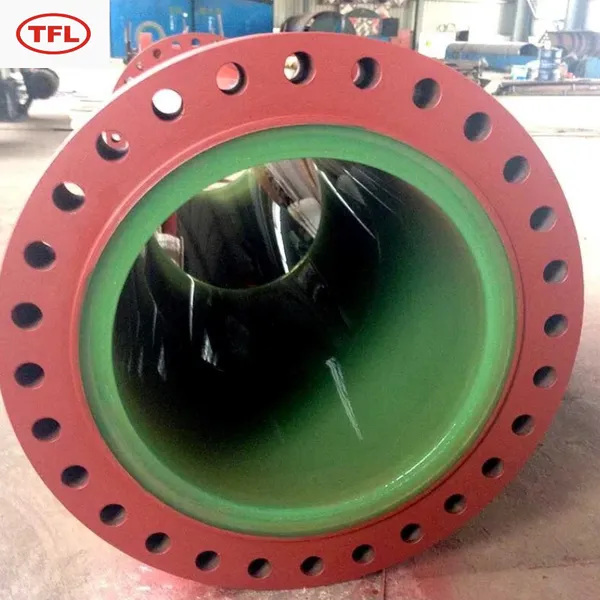
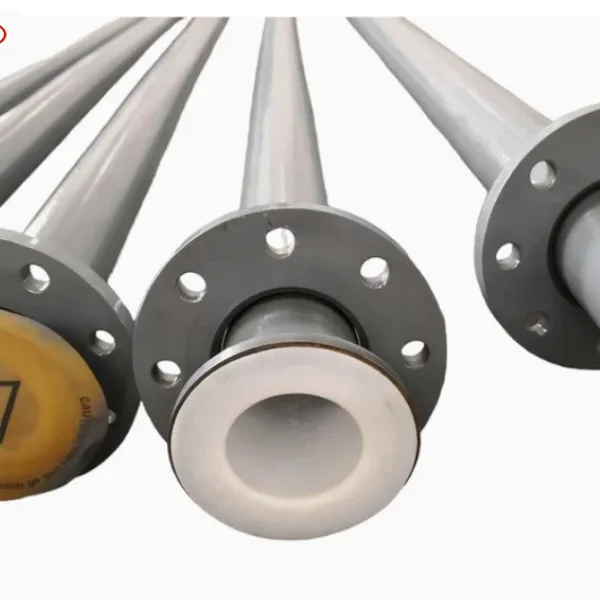
A PTFE/PFA/PVDF lined steel pipe is a composite engineered system that combines the best properties of two materials:
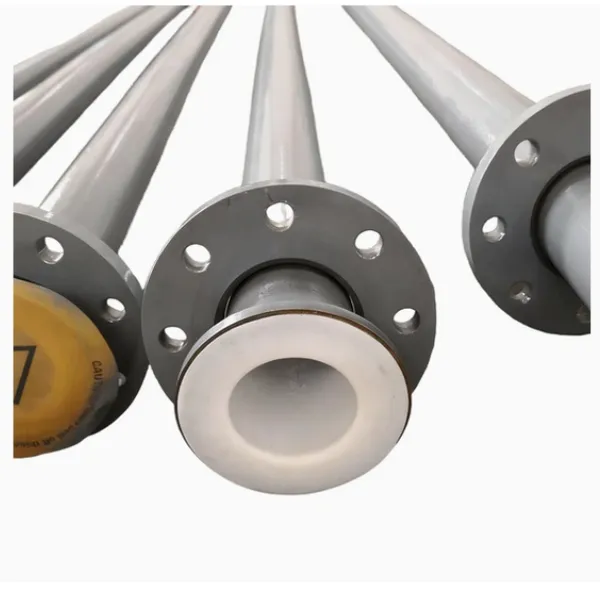
A rugged carbon steel or stainless steel outer shell that delivers full mechanical strength, pressure resistance, and structural rigidity
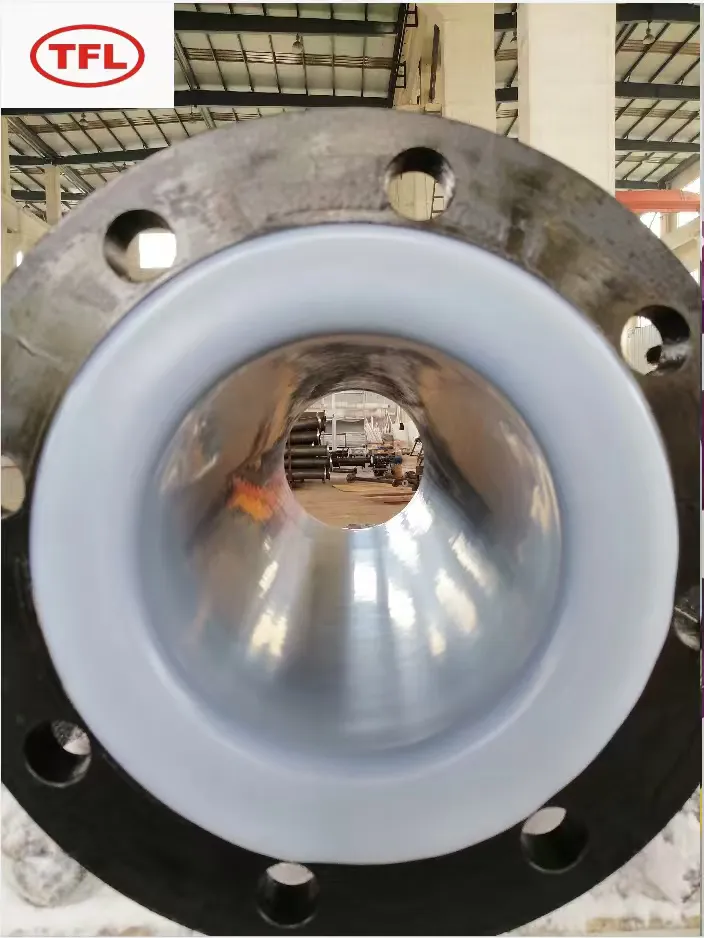
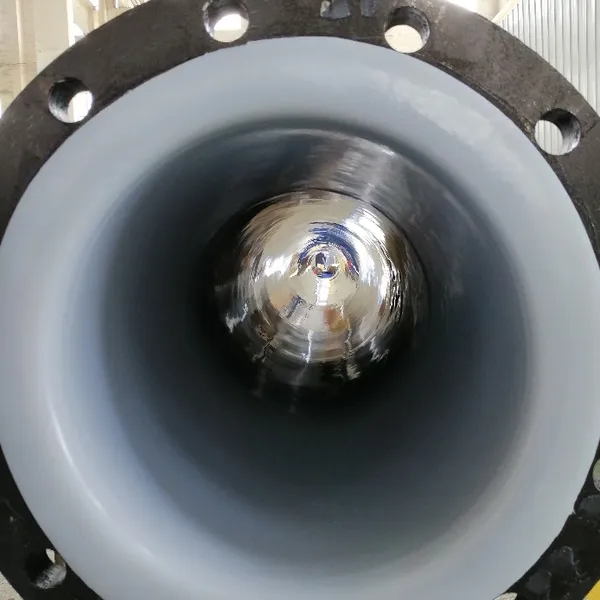
A seamless, high-purity fluoropolymer inner lining that acts as an impermeable barrier between the corrosive fluid and the metal substrate
This design ensures the transported media never comes into direct contact with the steel body, eliminating the root cause of external corrosion and extending system service life dramatically.
Different fluoropolymer linings are selected to match specific operating conditions:
PTFE (Polytetrafluoroethylene): The industry standard, offering near-universal chemical resistance across almost all aggressive media, with a continuous operating temperature range from -60°C to 200°C.
PFA (Perfluoroalkoxy alkane): Optimized for ultra-pure process applications and higher-temperature service, ideal for pharmaceutical and semiconductor fluid systems where zero contamination is non-negotiable.
PVDF (Polyvinylidene fluoride): Provides excellent resistance to halogens, strong oxidizers, and boiling acids, making it a reliable choice for mid-temperature corrosive fluid lines.
Compatible with the Most Demanding Corrosive Media
Fluoropolymer lined steel pipes are purpose-built to safely convey the full spectrum of harsh industrial fluids, including:
Nitric acid, concentrated sulfuric acid, and mixed acid formulations
Hydrofluoric acid, a substance that rapidly attacks glass and most common metals
Phosgene, chlorine gas, and other highly toxic, reactive chemical streams
Aqua regia, the powerful mixture capable of dissolving noble metals
Bromides and a wide range of aggressive organic solvents
Unlike unprotected steel or basic lined systems, these pipes resist nearly all forms of chemical attack, with only a small number of extreme exceptions such as molten alkali metals or high-temperature elemental fluorine.
Key Operational Benefits for Industrial Facilities
Switching to fluoropolymer lined steel piping delivers measurable advantages that directly improve plant performance:
Extended Service Life: Compared with standard carbon steel or even stainless steel piping, lined systems can last more than 5 times longer in high-corrosion environments, drastically reducing annual replacement and maintenance costs.
Reduced Downtime: Fewer unexpected failures mean fewer unplanned shutdowns, helping facilities maintain consistent production schedules and output.
Lower Total Cost of Ownership: While the initial investment is higher than basic carbon steel, these lined pipes eliminate the need for expensive high-alloy alternatives, delivering far better value over the full lifecycle of the system.
Smooth, Non-Stick Inner Surface: The fluoropolymer lining creates an ultra-low-friction inner wall that resists fouling, prevents material buildup, and reduces the risk of blockages in fluid transport lines.
High-Purity Performance: The seamless, non-contaminating lining supports GMP-compliant pharmaceutical and high-purity semiconductor processes, with no risk of metallic ion leaching into sensitive process fluids.
Critical Selection and Installation Guidelines
To maximize performance and service life, facilities should follow these best practices during specification and deployment:
Match the lining material to the exact chemical concentration, operating temperature, and pressure of your process
For vacuum or negative-pressure working conditions, select pipes manufactured with compression molding or isostatic pressing processes, not loose-sleeve lined products
In systems with large temperature fluctuations, install properly designed expansion joints to accommodate the difference in thermal expansion between the fluoropolymer lining and the steel shell
Verify that every pipe and fitting has passed a full electrical spark test to confirm the lining is free of pinholes or defects before installation
Protect the PTFE flange face during handling and installation to avoid damaging the sealing surface
Final Thoughts
For industrial facilities that handle highly corrosive fluids, fluoropolymer lined steel pipes are no longer a niche upgrade — they are a reliable, proven conveyance solution that directly addresses the core pain points of corrosion, safety risk, and high lifecycle cost. By combining the unmatched structural strength of steel with the exceptional chemical resistance of PTFE, PFA, or PVDF, these systems create a durable, cost-effective path to safer, longer-lasting corrosive fluid transport across the most demanding industrial applications.
Recently Posted
-
How to Choose a China EPCC Company for Chemical Industry Anti-Corrosion Design
October 15, 2026How to Choose a China EPCC Company for Chemical Industry Anti-Corrosion DesignIn the chemical industry, corrosion is not merely a Read More
-
How to Choose a Reliable PTFE Lined Steel Pipe Manufacturer in China: A Comprehensive Guide
October 15, 2026How to Choose a Reliable PTFE Lined Steel Pipe Manufacturer in China: A Comprehensive GuidePolytetrafluoroethylene (PTFE) lined st Read More
-
How to choose the material of corrosion-resistant lining ? PTFE (F4) / FEP (F46) / ETFE (F40) / PFA / PO (PE) Anticorrosion Meterial Performance Table
October 13, 2026How to choose the material of corrosion-resistant lining ? PTFE (F4) / FEP (F46) / ETFE (F40) / PFA / PO (PE) Anticorrosion Meteri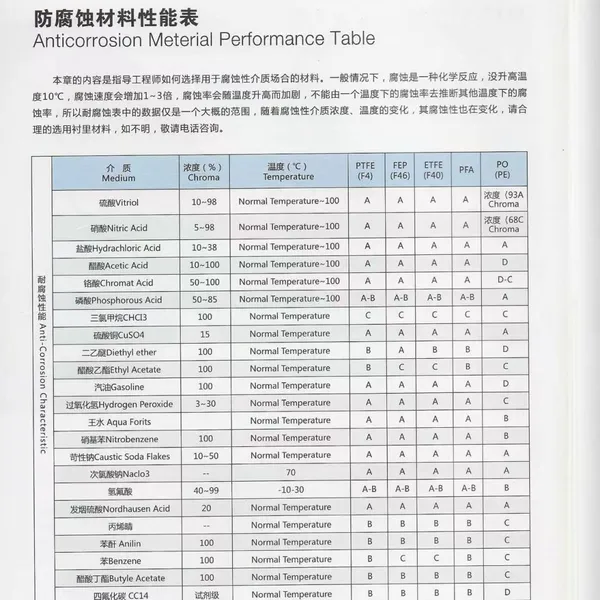 Read More
-
hot sales products of Shanghai Teflon Anticorrosive Equipment Co., Ltd.
October 13, 2026hot sales products of Shanghai Teflon Anticorrosive Equipment Co., Ltd. Ptfe-Lined PipesPtfe-Lined va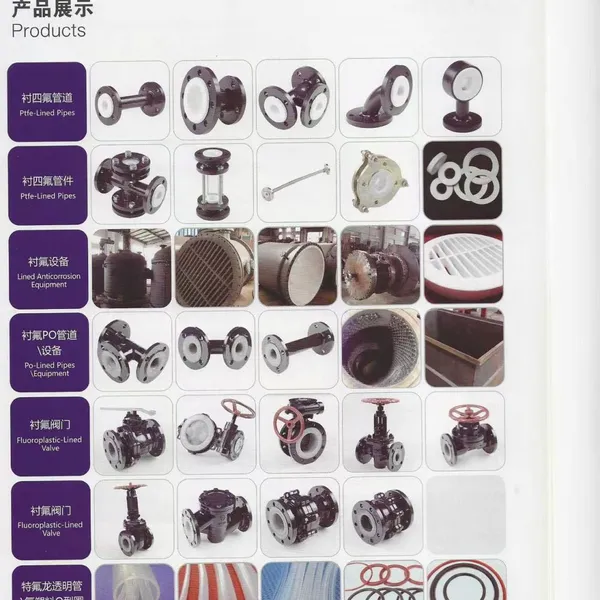 Read More

Contact Us
Recommended Products
-
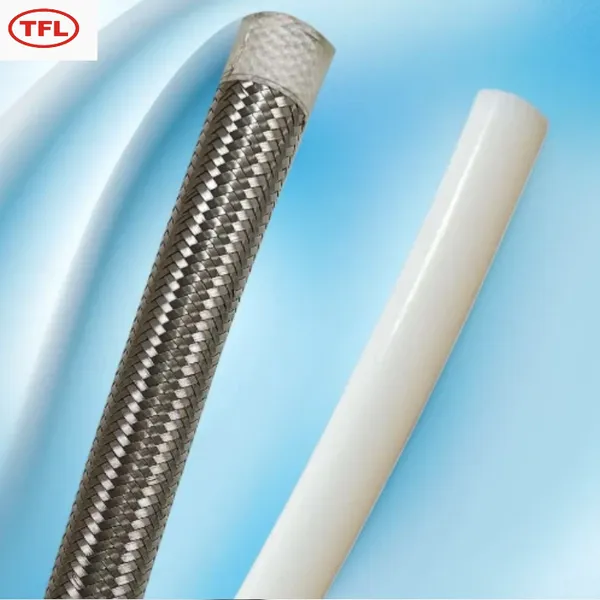
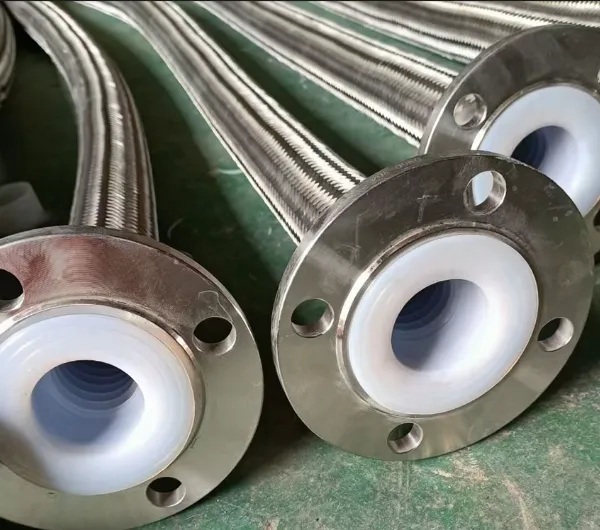
 PTFE Braided Flexible Metal Hose SteelNegotiableMOQ: 1 Piece
-
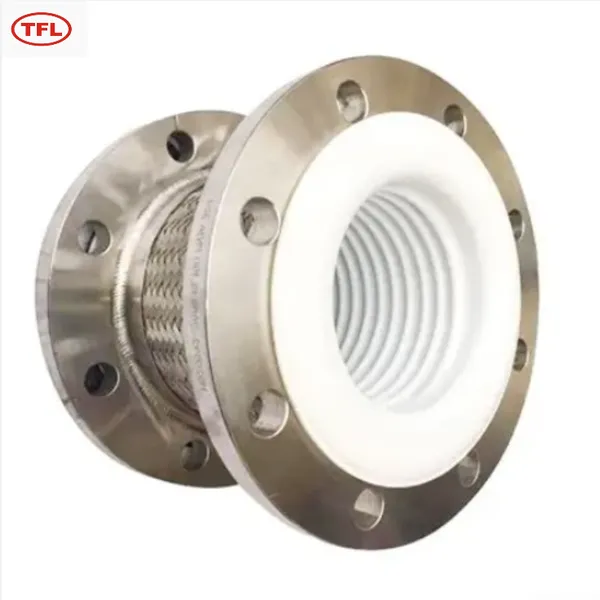
Metal Compensator Lined HoseNegotiableMOQ: 1 Piece
-
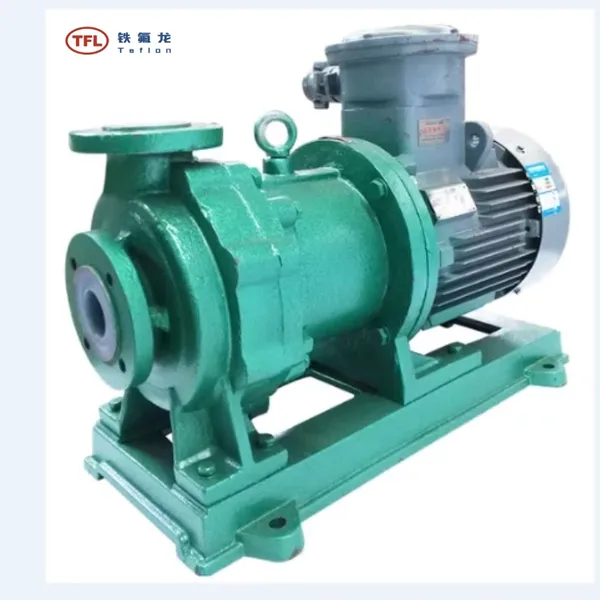
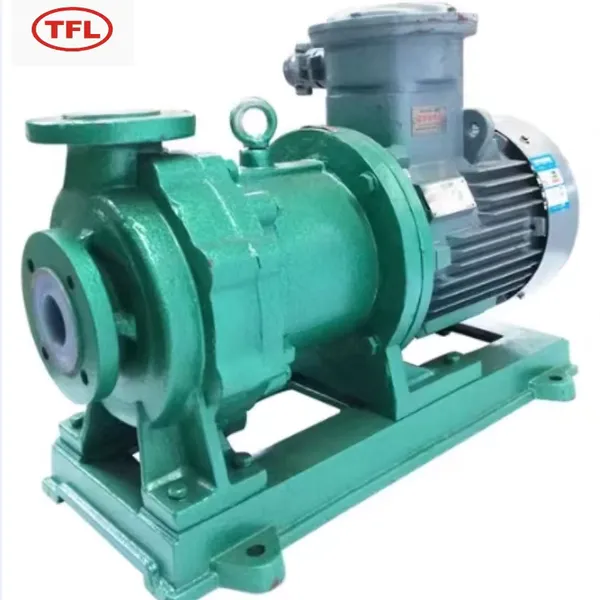
Fluorine Plastic (F46, PTFE, PFA Lining) Lined Chemical Process PumpNegotiableMOQ: 1 Piece
-
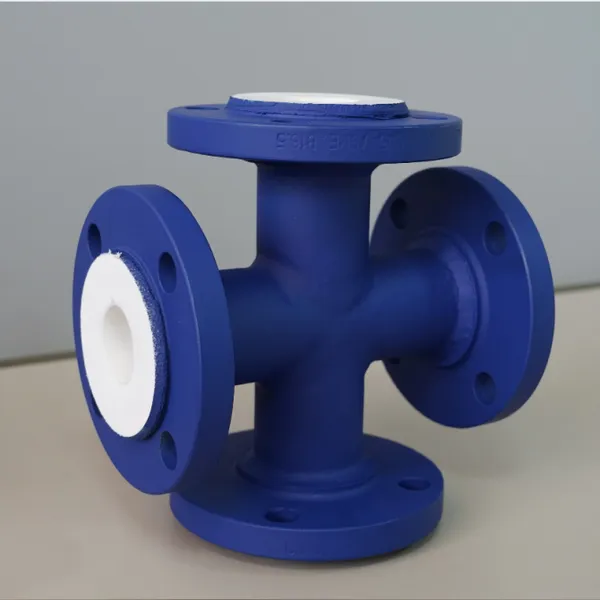
Liquid Wear Resistant PipelinesNegotiableMOQ: 1 Piece
-
Liquid Alkali-resistant PipelinesNegotiableMOQ: 1 Piece
-
Liquid Corrosion-resistant PipelinesNegotiableMOQ: 1 Piece
-
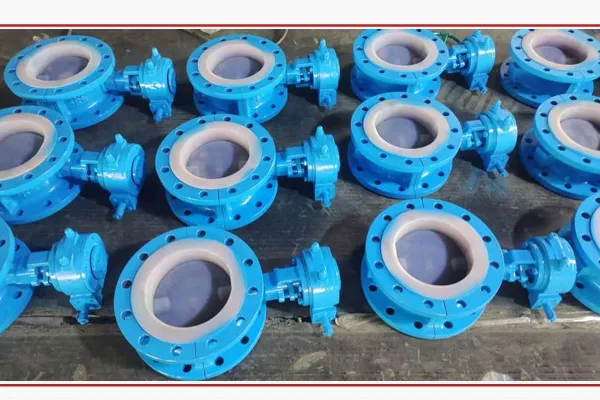
Fluorine Lined Flange Butterfly Valve With Signal Feedback, Butterfly ValveNegotiableMOQ: 1 Piece
-
Corrosion Resistant, Wear Resistant, PTFE Lined Steel Pipe Elbow Connector AdapterNegotiableMOQ: 1 Piece
-
Chemical Industrial-Grade Heavy Duty PTFE-Lined Steel PipesNegotiableMOQ: 1 Piece
-
PTFE Lined Pipe PTFE Tubing Steel Pipe LinerNegotiableMOQ: 1 Piece
-
PTFE Lined Spool Plastic Lined Spool PipeNegotiableMOQ: 1 Piece
-
Chemical Corrosion-Resistant PTFE Lined Steel Straight PipeNegotiableMOQ: 1 Piece
-
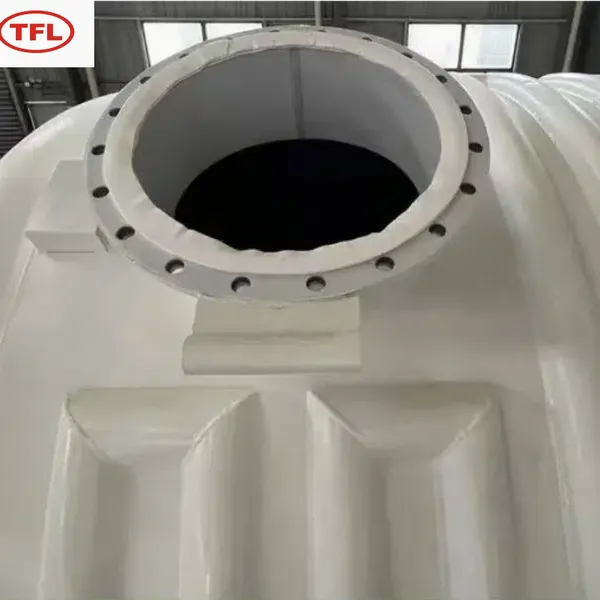
10L 20L 500L Liter Stainless Steel Chemical PTFE Lined Storage TankNegotiableMOQ: 1 Piece
-
3000L PTFE Lined ETFE Coated Tank / Glass Lined Storage TankNegotiableMOQ: 1 Piece
-
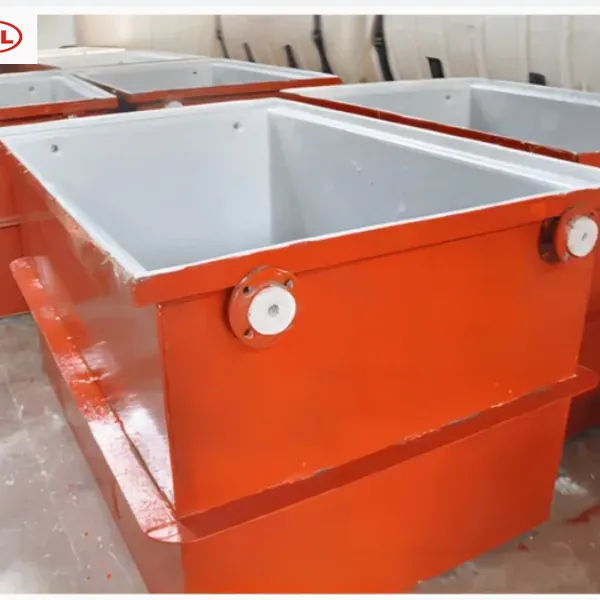
Chemical Container PTFE Lined Square Tank for Chemical Plant EquipmentNegotiableMOQ: 1 Piece
-
Anti Corrosion PTFE Lined ValveNegotiableMOQ: 1 Piece
-
Anti Corrosion PTFE Lined PumpNegotiableMOQ: 1 Piece
-
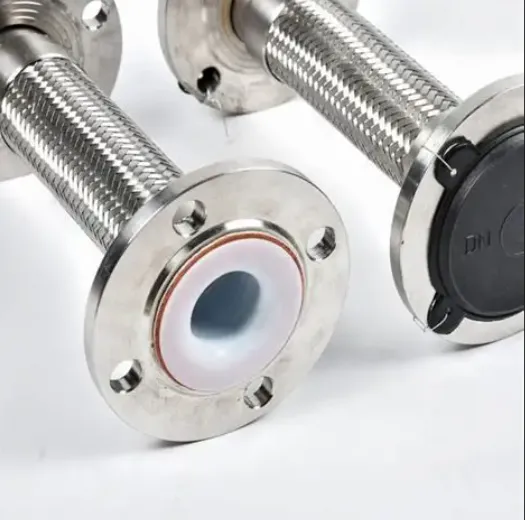
Lined PTFE Metal HoseNegotiableMOQ: 1 Piece
-
PTFE Lined Flexible Stainless Steel Metal Hose, Smooth/Corrugated Bore PTFE HoseNegotiableMOQ: 1 Piece
-
304 Stainless Steel Fluorine Lined Ball Valve, Stainless Steel Ball ValveNegotiableMOQ: 1 Piece